Half-Day Excursion
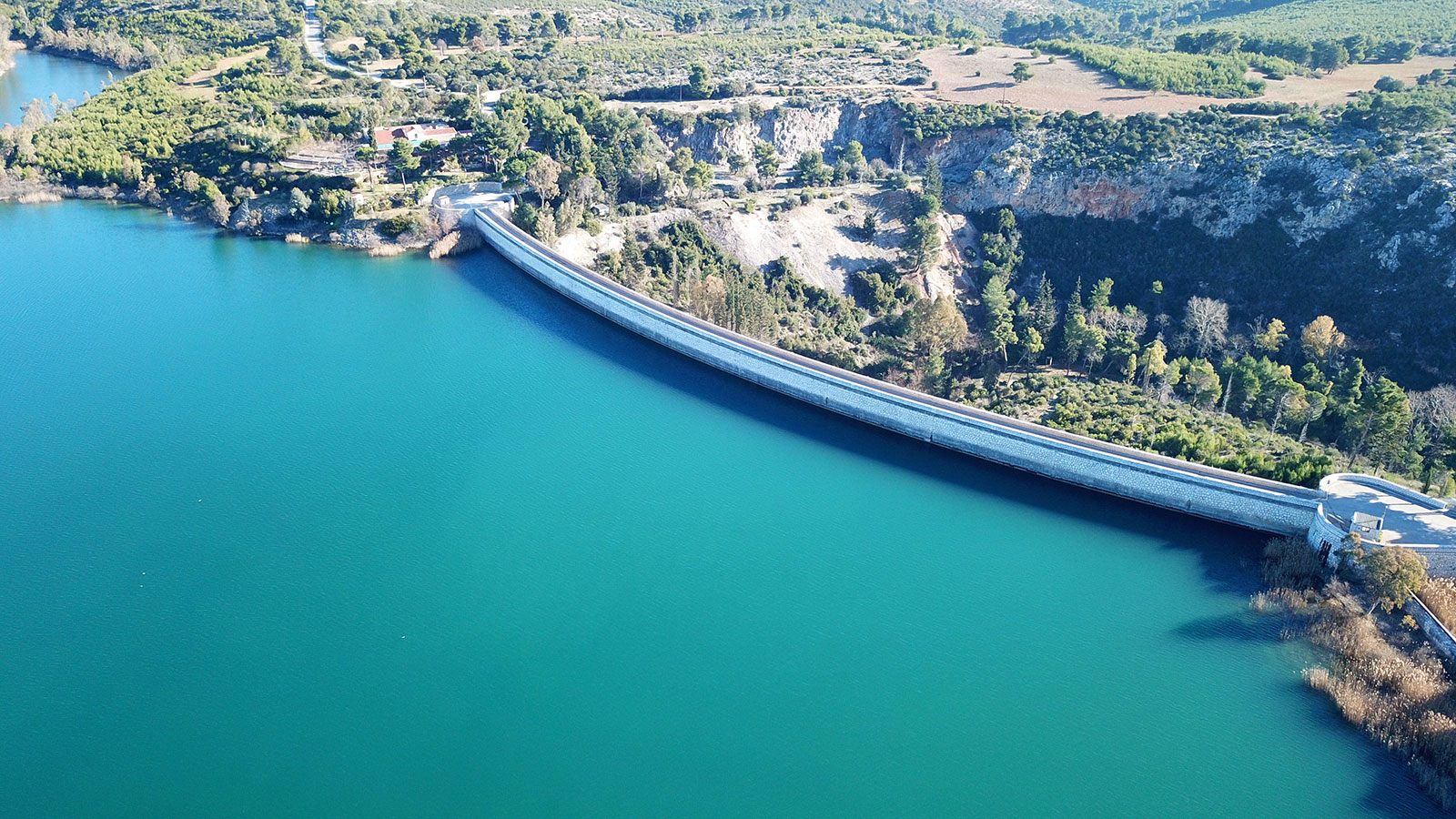
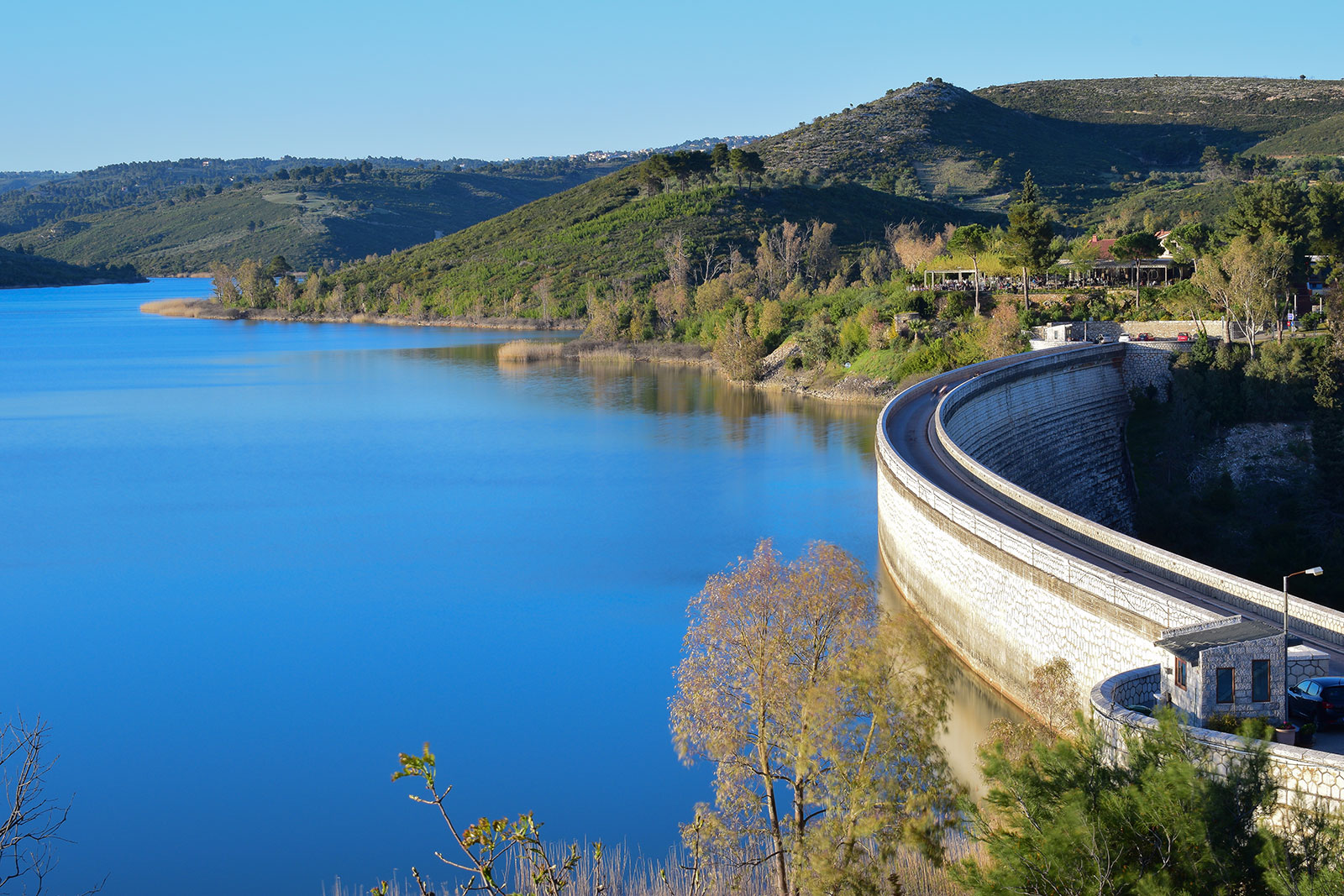
Marathon presents an exceptional natural landscape. It features the unique artificial lake of Attica (Marathon Dam), abundant greenery, fertile plains, and 12 kilometers of sandy beach in the historic bay of Marathon.
Nature has endowed Marathon with abundant beauty, and the variety of natural wonders is remarkable, such as the gorge of Oinoi, the unique pine forest with stone pines, one of the few in the Mediterranean, and the Schinias wetland (National Park).
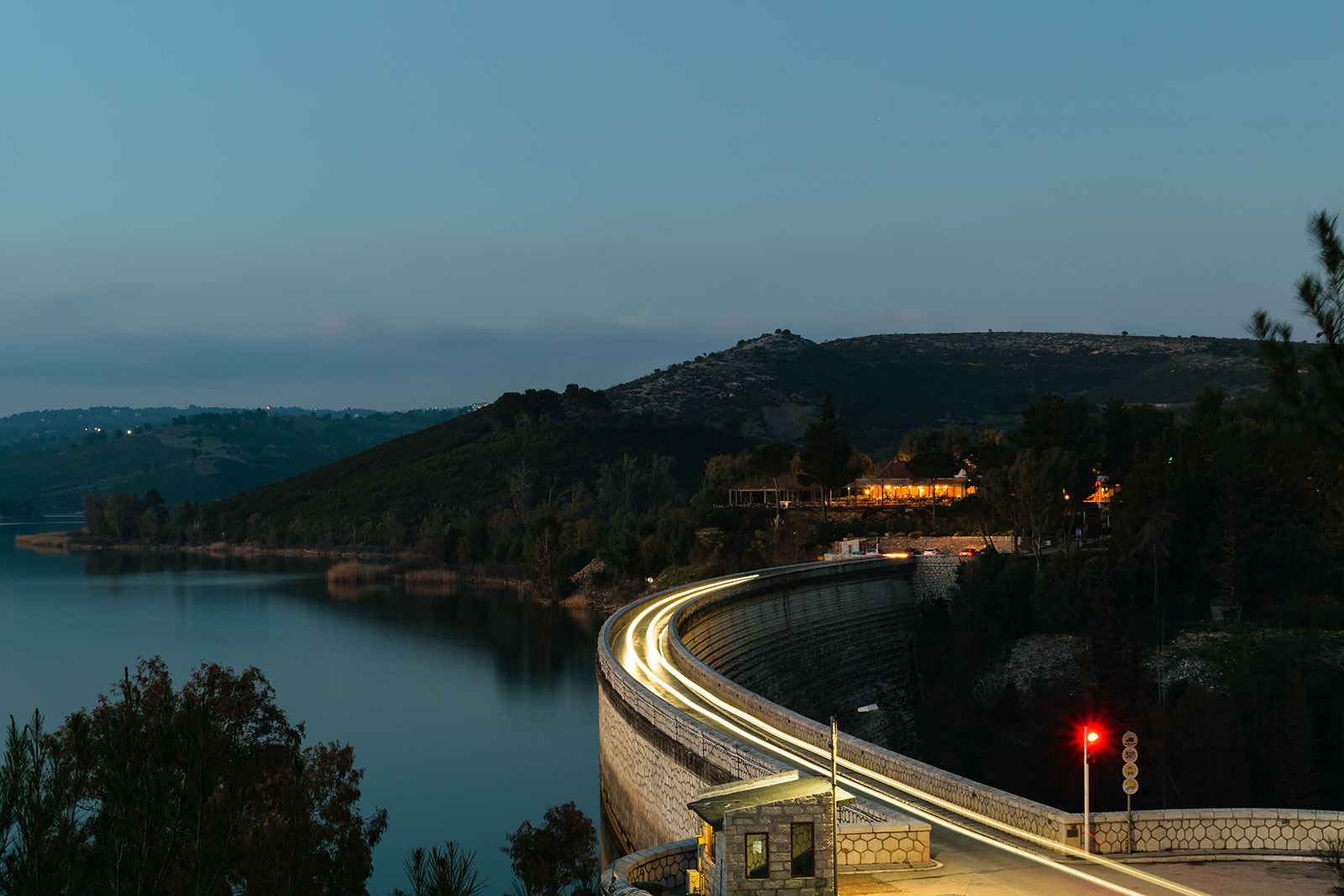
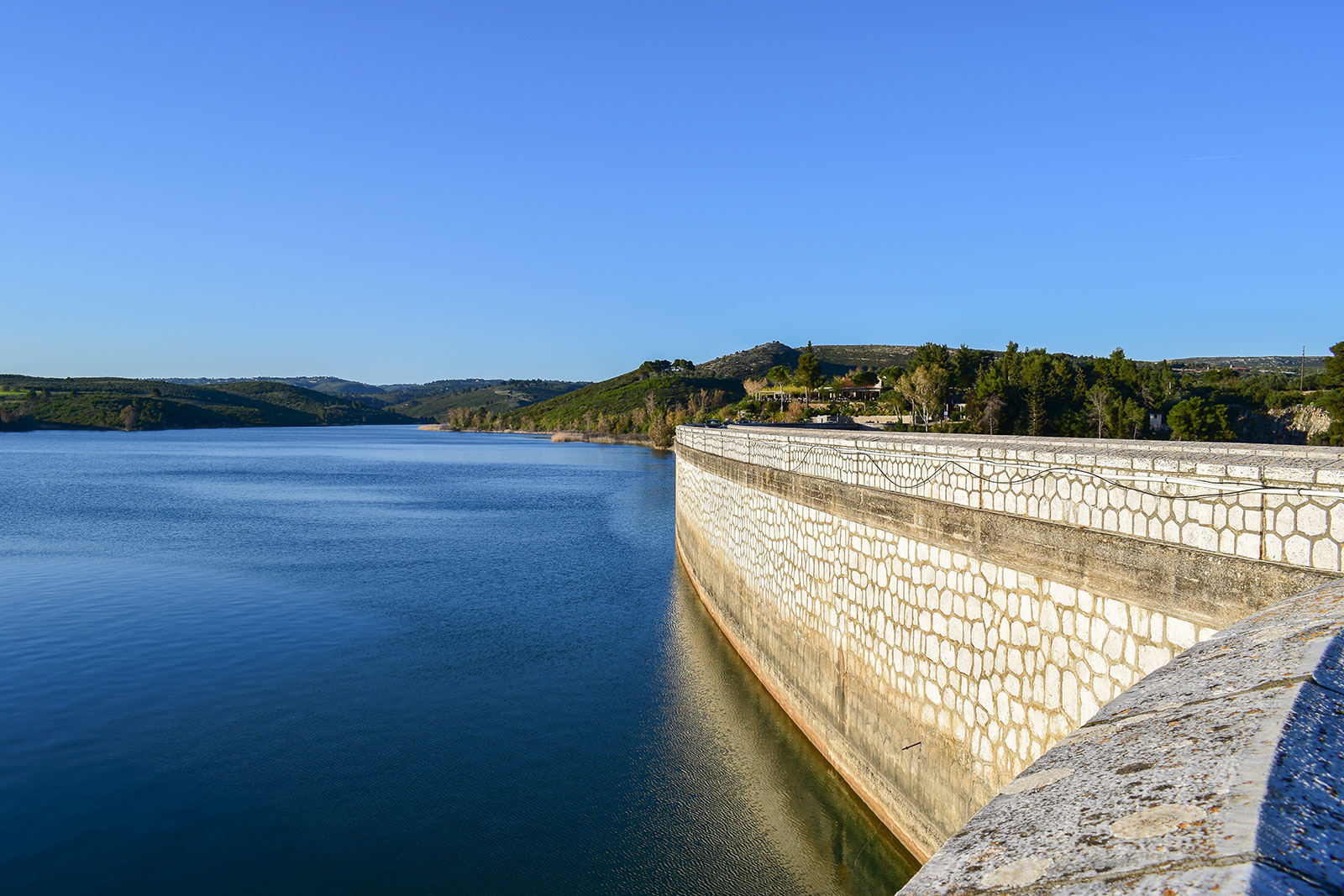
The artificial Marathon Lake was created to collect water for the water supply of Athens. It was formed by the construction of the Marathon Dam at the confluence of the rivers Charadros and Varnavas, a few kilometers from the town of Marathon, Attica.
The Marathon Lake was the main water reservoir for the water supply of Athens from 1931, when it started supplying water, until 1959. In 1959, a connection from Lake Yliki began operating, and since 1981, most of the water for the capital’s water supply comes from the artificial Lake Mornos. Today, the entire water supply from Marathon Lake would only be enough for a few days of water supply to Athens.
Marathon is served by the Attica KTEL, which has its departure point at Pedion Areos (Athens). There are access points from Marathon Avenue and Attiki Odos, from Dionysos Avenue and Penteli Avenue, and from Lake Avenue (via the Athens-Lamia National Road).
In addition to its natural beauty, Marathon has a rich historical and cultural past.
The name Marathon, a unique toponym that also refers to an Olympic sport, is known worldwide. Its geographic location and fertile land made Marathon an ideal place for the development of peaceful human activity and highlighted it as a gateway for the reception of culture in Attica from prehistoric times.
A pivotal moment in its history was the Battle of 490 BC, during which the Athenians, defenders of all Greeks, prevented Eastern despotism and preserved not only Greek but also European civilization.