The Monasteries of Meteora
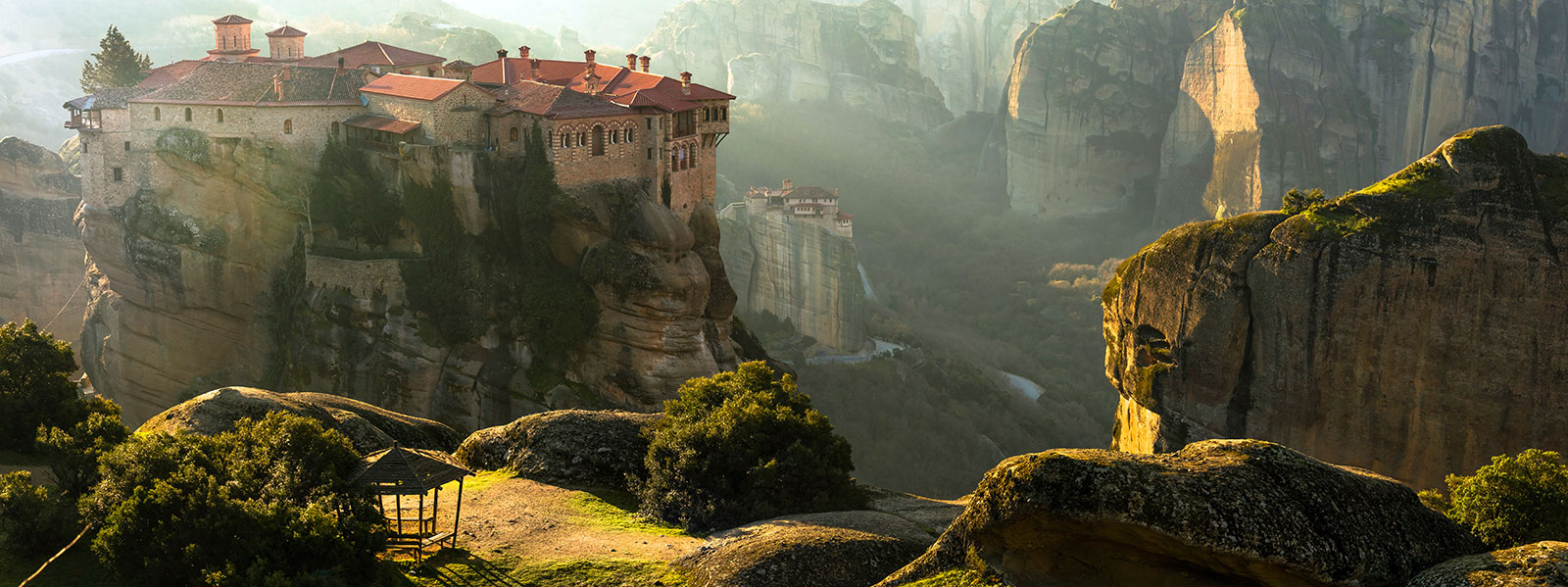
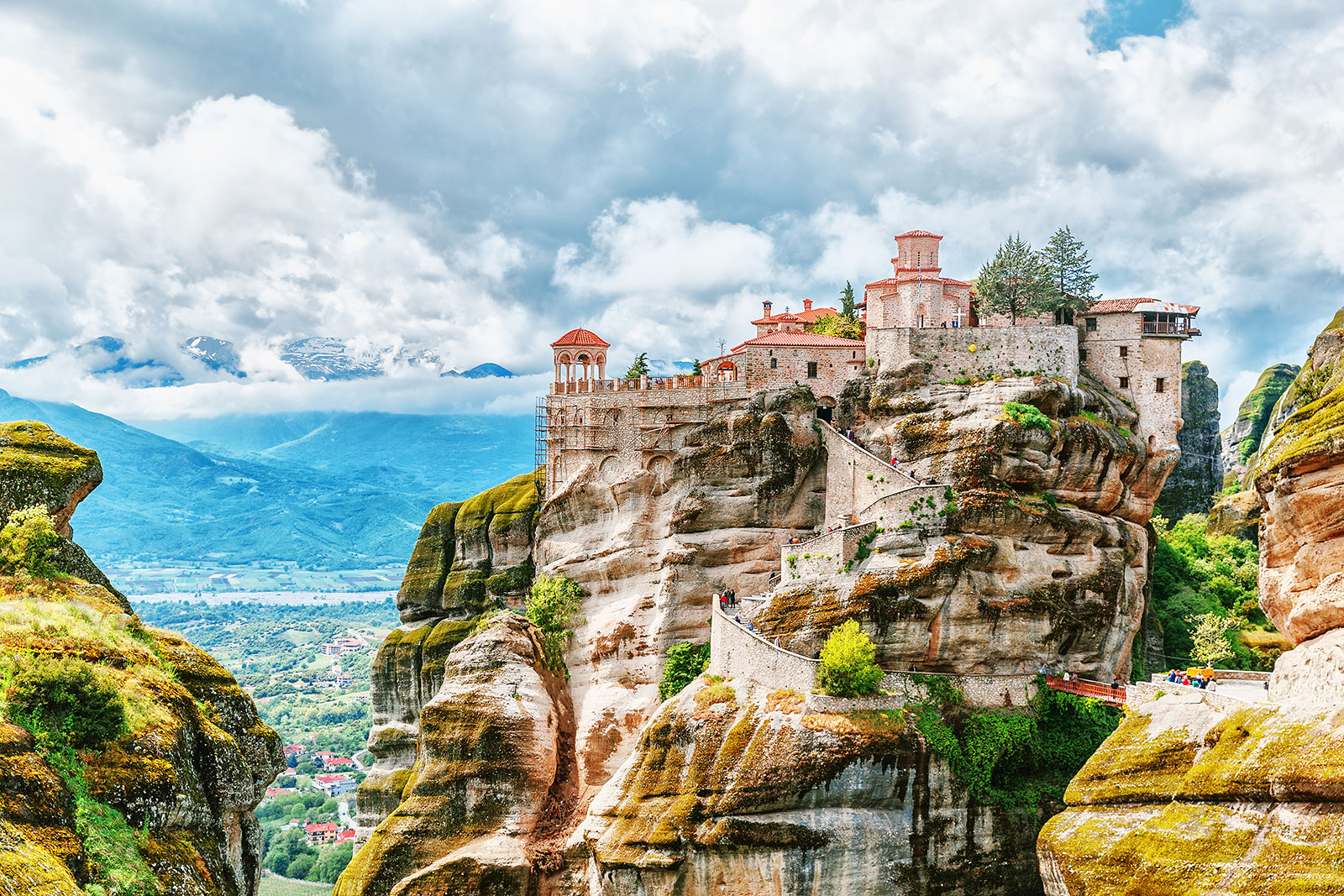
The Meteora monasteries are among the most important monuments in the world and have been protected as a UNESCO World Heritage Site, which recognizes them as a “Protected Monument of Humanity.” The Meteora is Greece’s second most significant monastic center after Mount Athos. The first ascetics arrived here in the 11th century, but the Meteora monasteries flourished as a monastic center during the 13th and 14th centuries, as many locals embraced the monastic life.
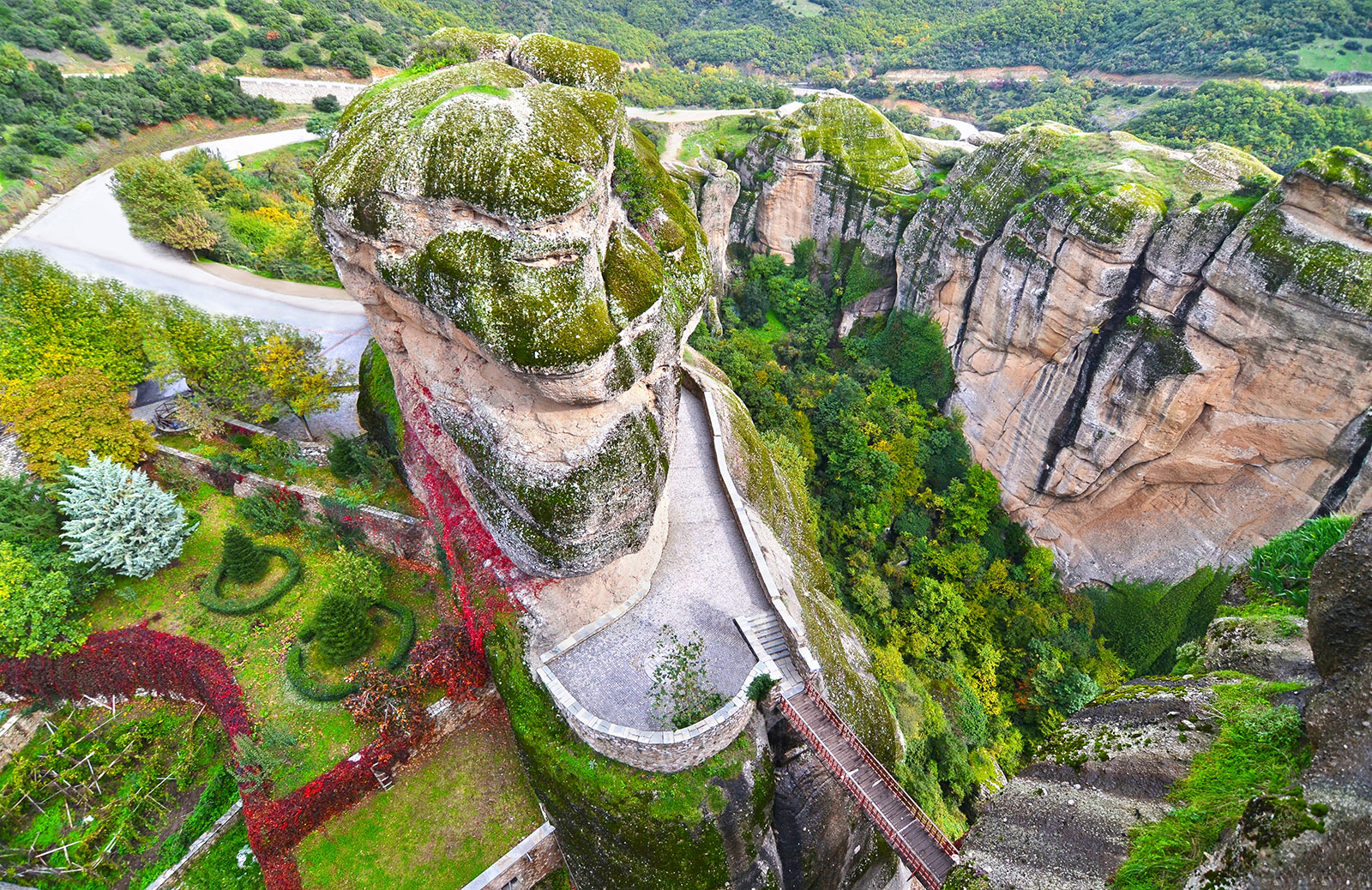
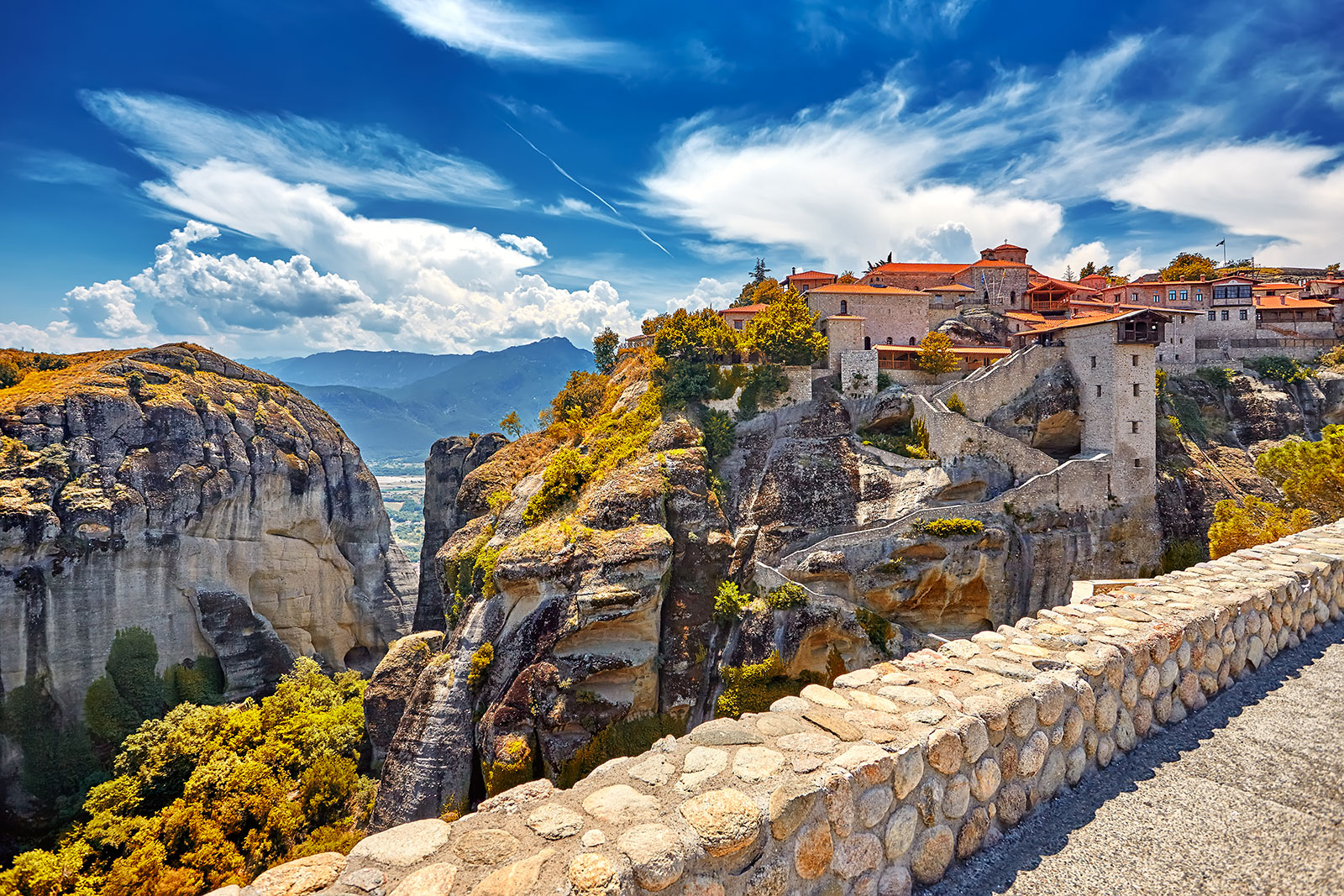
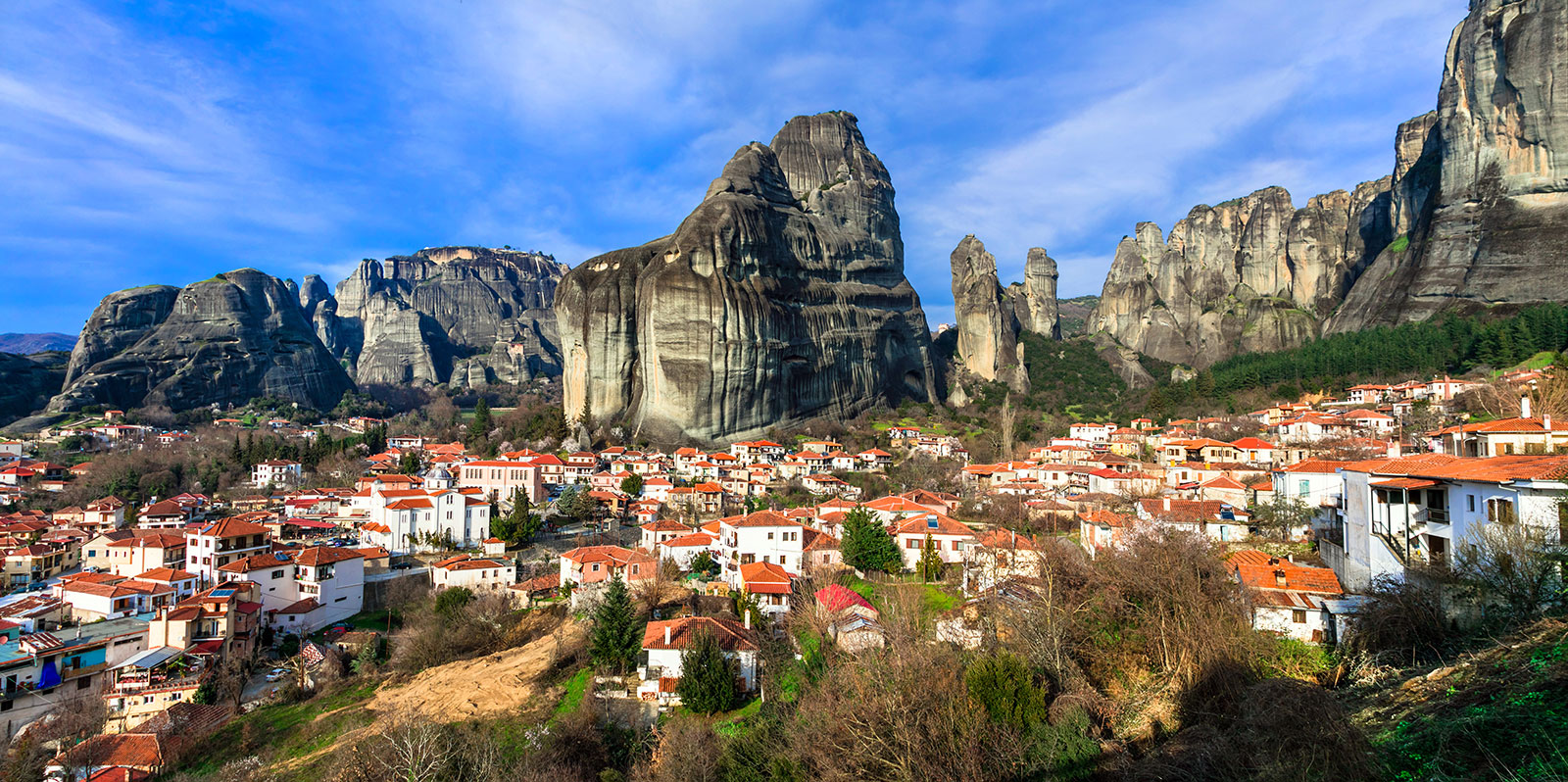
In the past, the only way to access the Meteora monasteries was through climbing, symbolizing the struggle for isolation and the search for the divine. Today, it is considered an alternative activity, offering the best way to enjoy the uniqueness of the landscape. Most pilgrims and visitors now use the stone steps carved into the rocks. The walks along the trails are mesmerizing, with the massive rocks hiding the surrounding views. It is believed that these rocks were formed from transported materials, stones, and other debris carried by the waters of an ancient river that once flowed through the area. Over time, continuous erosion by winds and rains, along with other geological changes, has shaped the current appearance of the rocks.
Notable Monasteries of Meteora:
Great Meteoron Monastery
Located on the highest and largest rock, the Great Meteoron was founded around 1340 by Saint Athanasios the Meteorite (1302-1380). The monastery features several significant structures, including:- The tower (1520)
- The current Museum of Folklore, showcasing ancient vessels and tools.
- The ossuary.
- The Church of the Transfiguration of the Savior (with the sanctuary dating back to 1388, the main church in 1545, and the narthex).
- The refectory (1557), now the Museum of Relics.
- The kitchen (1557), now the Museum of Folklore, with old copper, clay, and wooden kitchenware.
- Monastery of St. Stephen
The founders of this monastery are considered to be Saints Antonios (early 15th century) and Philotheos (mid-16th century). The small church of St. Stephen, a single-aisle basilica, was built in 1350. The current church of St. Charalampos (1798) follows the Athonite style and is decorated with stunning wood-carved elements. The impressive refectory has been transformed into a modern museum displaying significant relics of the monastery, including manuscripts, post-Byzantine icons, gold-embroidered vestments, textiles, wood carvings, and intricate silverwork. Monastery of Varlaam
According to tradition, the monastery was first inhabited by the ascetic Varlaam in the 14th century. The large church of the monastery, dedicated to All Saints, was built in 1542 in the Athonite style. The church was frescoed in 1548 by the Theban painter Franco Cattelan. In the late 16th and early 17th centuries, Varlaam housed the best-organized bibliographic workshop among the Meteora monasteries, as well as a specialized embroidery workshop.Holy Trinity Monastery
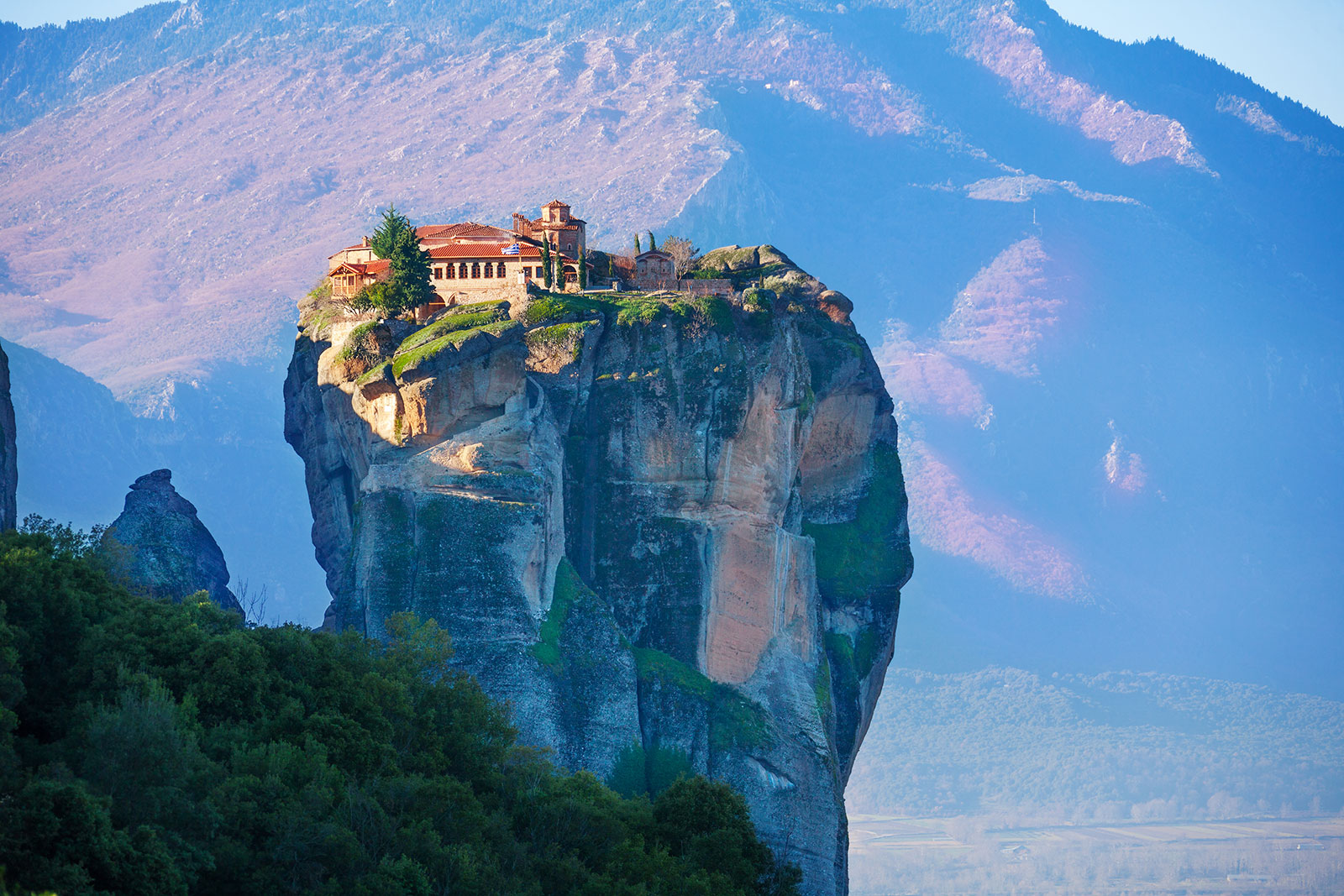
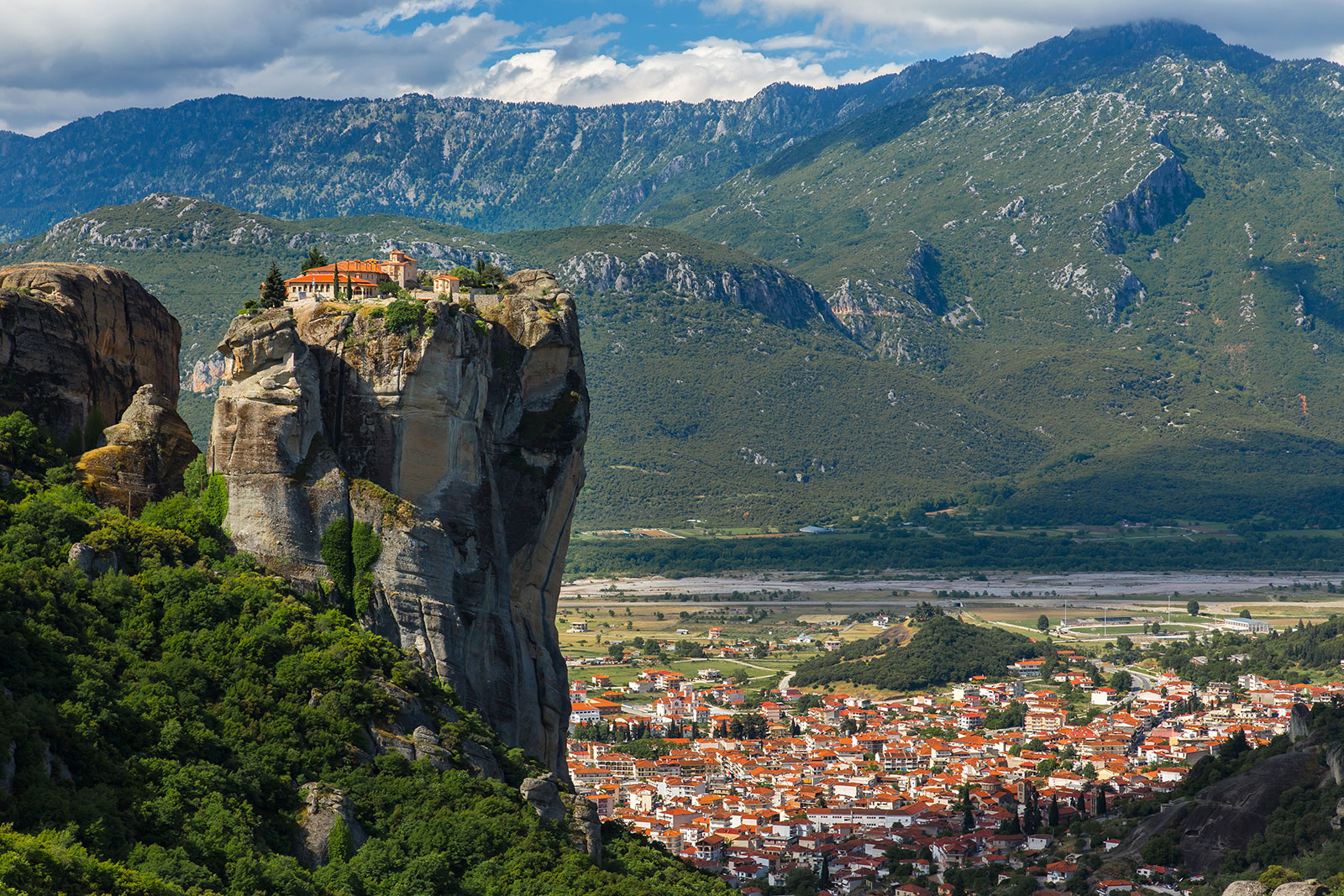
Located on a distinctive, grand, and steep rock, the Holy Trinity Monastery was an organized monastic community as early as 1362, according to documents from the ruler Simeon Uresis-Palaiologos. The main church, built around 1476, is a small cross-shaped building with a central dome. The monastery’s Folk Museum houses a rich collection of ancient textiles, vessels, tools, and folk art items.Rousanou Monastery
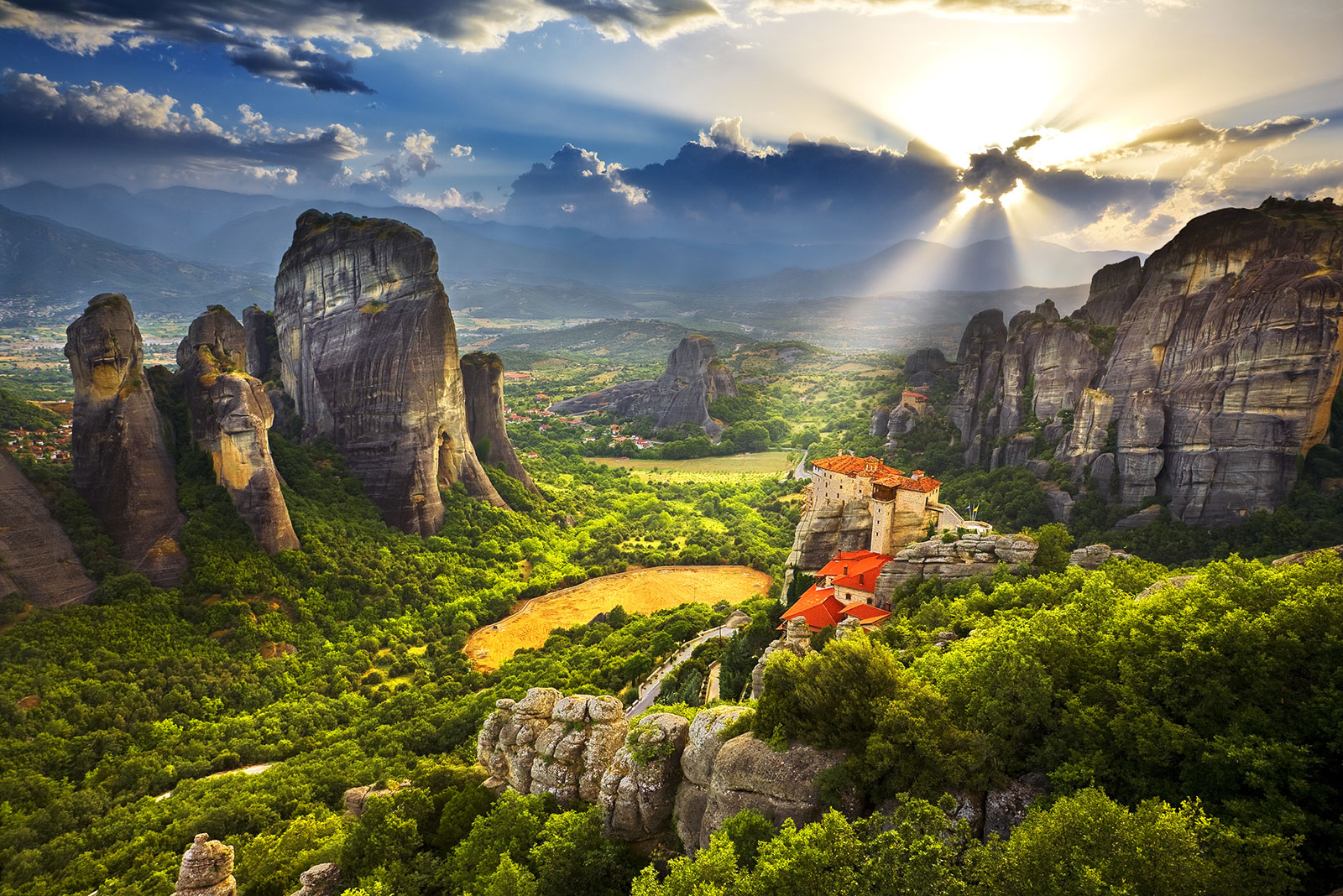
Founded in 1529 on the remains of earlier structures, the Monastery of Rousanou features the Church of the Transfiguration of the Savior, built around 1530 in the Athonite style. The frescoes covering the church and the narthex are attributed to the Cretan School (likely by Georgios, a student of Theophanes of Crete). Although dedicated to the Transfiguration, the monastery particularly honors St. Barbara (December 4) at the small chapel dedicated to her.Monastery of St. Nicholas Anapausas
Situated near the village of Kastraki, the Monastery of St. Nicholas Anapausas is a multi-story, elegant, and imposing structure on a narrow rock. The organized monastic life here dates back to the early 14th century. The frescoes in the church of St. Nicholas are the oldest signed works of the famous Cretan painter Theophanes, showcasing all the distinctive characteristics of the unique Cretan School art.
The Meteora monasteries not only stand as exceptional architectural marvels but are also integral to Greece’s spiritual and cultural heritage. Their awe-inspiring location among towering rock formations, combined with their rich history, make them a significant destination for both pilgrims and visitors from around the world.