The Castle City of Ioannina
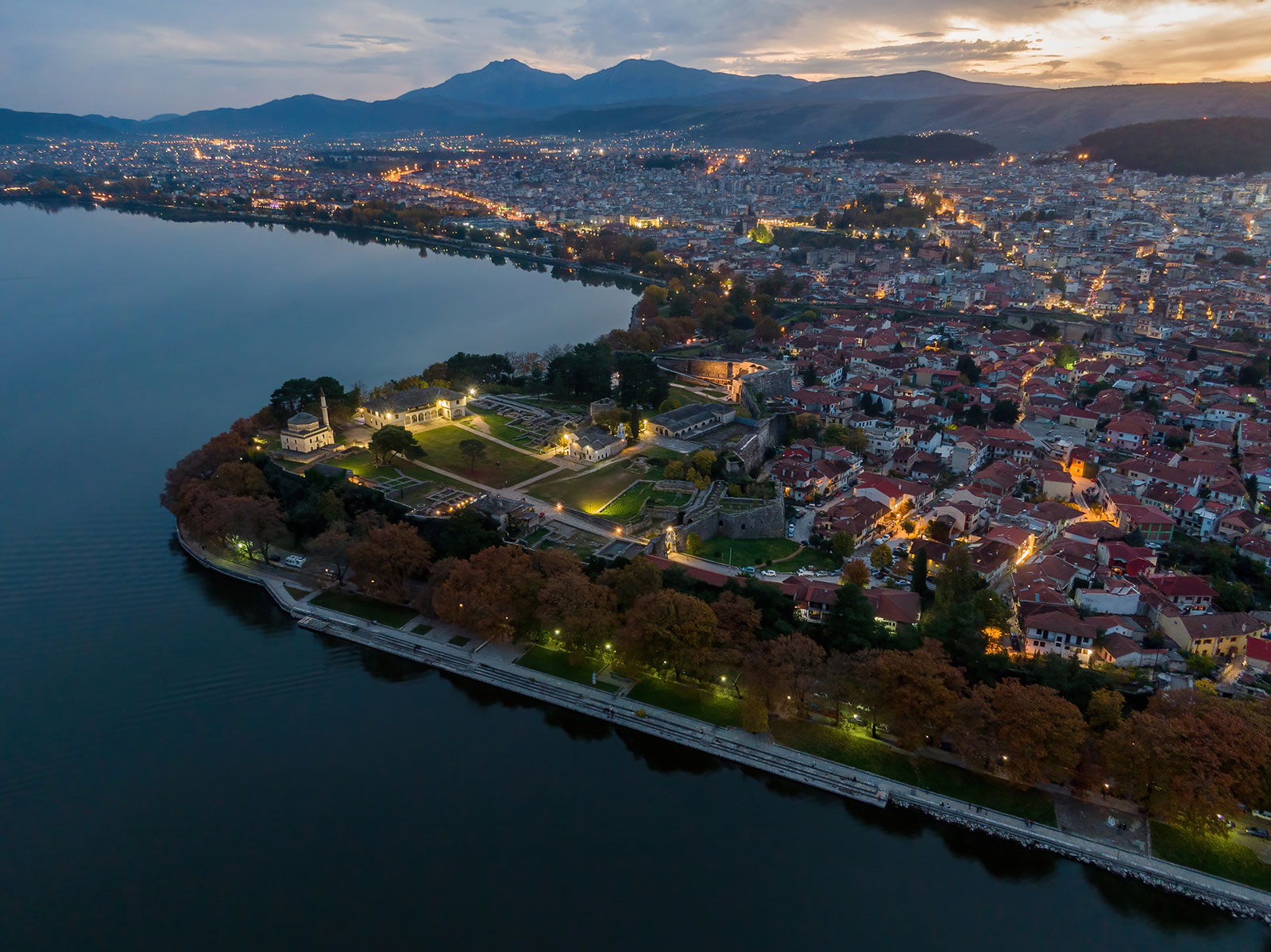
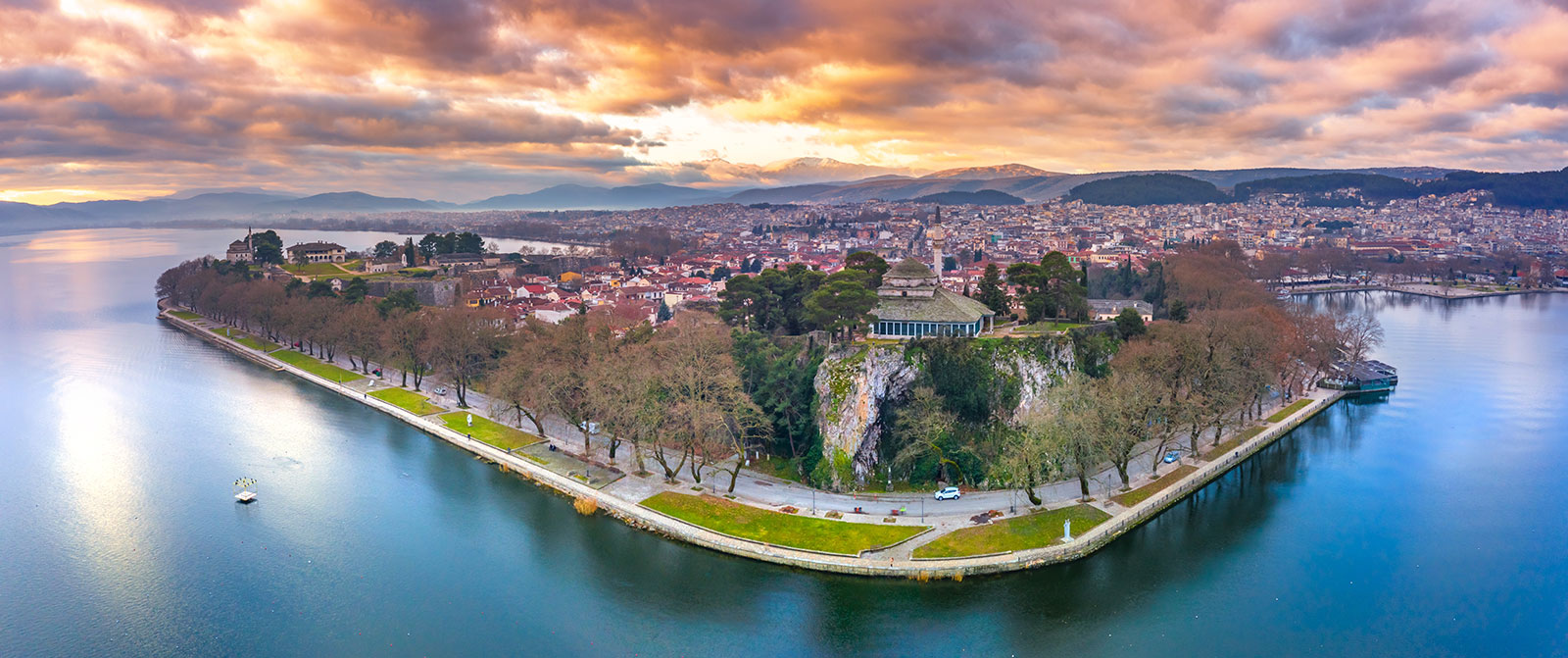
At the southeastern edge of the city of Ioannina, a unique castle city remains to this day, serving as a landmark for the city and an inseparable part of the rich history of the region. It is the oldest Byzantine castle in Greece, with an uninterrupted history, as it is one of the few castles in the country that is still inhabited today.
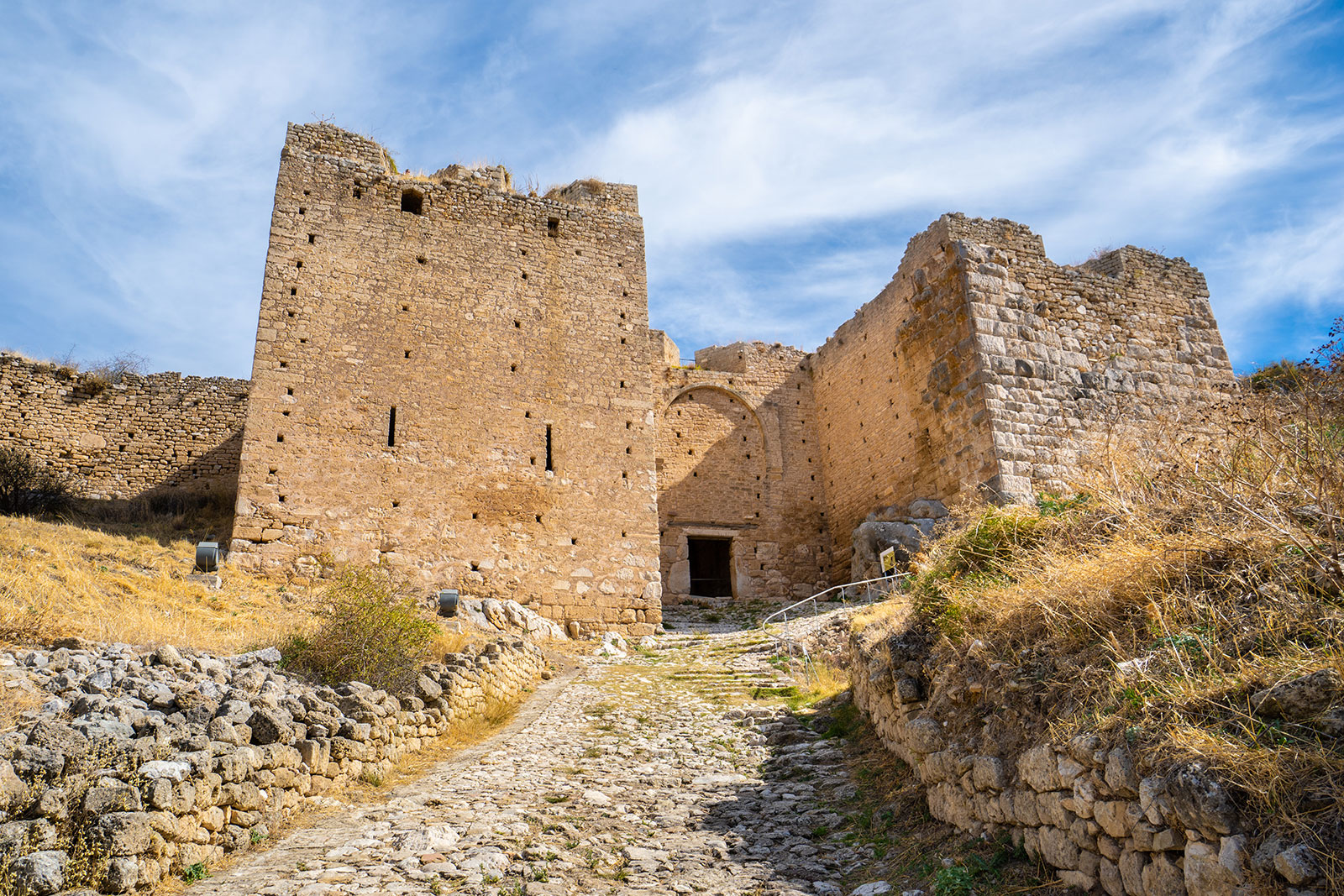
Passing through the large gate with the coat of arms of Ali Pasha, you are transported to another era when the castle served as the largest administrative center of the entire region. It was here that Greek letters flourished, where the great teachers of the Nation taught, and where the great military leaders studied the art of war. It was also here that Ali Pasha, the iconic and enigmatic figure of the Ottoman Empire, lived, with his great love affair with Kyra-Vasiliki and the murder of Kyra-Frosyni, his son’s mistress.
The Castle
According to historical accounts, the imposing castle of Ioannina was built during the reign of Emperor Justinian I in 528 AD as part of the Byzantine Empire’s efforts to fortify the state, an ambitious project of the mighty Byzantine Empire. The present form of the castle is largely a work of the Ottoman Empire, with earlier Byzantine architectural phases integrated into it.
The castle is divided into four sections: the outer wall, the northwest acropolis, where the Aslan Pasha Mosque stands, the southeast acropolis with the famous Itch Kale, and finally, the actual castle city, the old walled city of Ioannina. The area within the walls covers approximately 200 acres.
The Buildings of the Castle
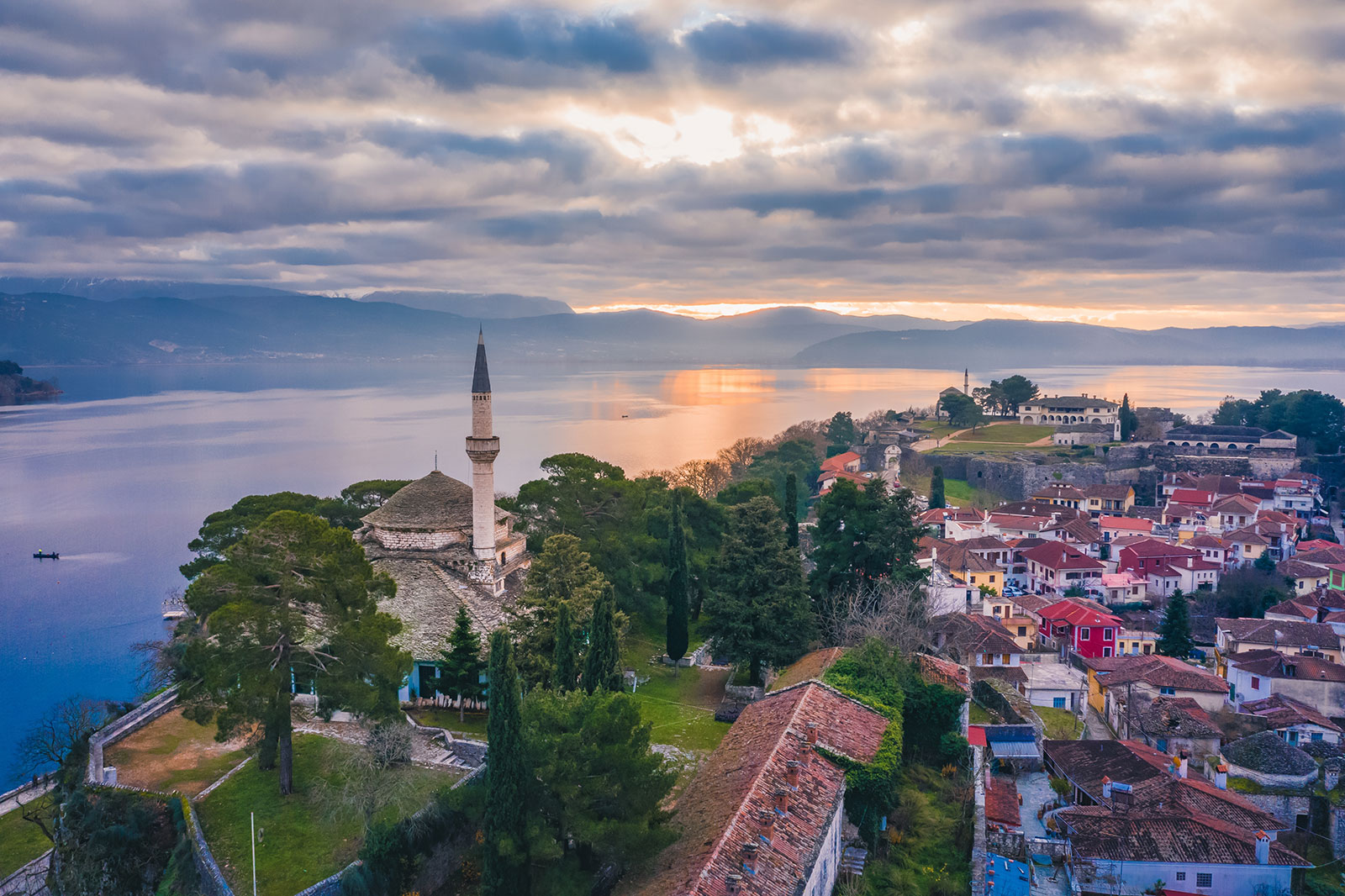
In the northeast acropolis, the palaces of the Byzantine rulers of the city were built. Today, the Aslan Pasha Mosque (1618) dominates the top and houses the Municipal Ethnographic Museum of Ioannina, the medieval tower, the “Foti Rapakousi” Museum, and the Menderes (Islamic religious school).
The second acropolis, southeast of the first, is known as Itch-Kale, meaning “inner fortress,” with the Fetihye Mosque (1795) built and renovated by Ali Pasha. At its center, in the area where Ali Pasha’s Seraglios were located, the Byzantine Museum is housed today. Also here are the tombs of Ali Pasha and his first wife, the gunpowder storage, the Church of Agii Anargyri, and the vault with the Byzantine silverwork collection. Lastly, the well-preserved building with the characteristic chimneys once housed the kitchens and is now a picturesque café that evokes the old town’s atmosphere, making it worth stopping by!
Inside the castle, among the houses of the settlement, the magnificent Soufari Sarai stands, with its two floors that housed the Ioannina cavalry school, the Turkish library, the Jewish synagogue, the ruins of the Byzantine Bath, and the house of Pasha Kalu (within the castle walls).
Witnesses to the Byzantine past include the so-called “Tower of Bohemund” in the southeast acropolis, built in 1082 during the Norman campaign in Epirus, and the “Tower of Thomas,” to the right of the castle’s central gate.
The Museums of the Castle City
Within the castle of Ioannina, there are three highly valuable museums that you must not miss visiting! These are:
- The Byzantine Museum, located in the Itch Kale acropolis, with significant collections of coins, sculptures, and relics.
- The Municipal Ethnographic Museum of Ioannina, housed in the Aslan Pasha Mosque. Visitors can view Ottoman baths, an important library with significant written documents, as well as local costumes, the damask sword of Karaiskakis, and collections of silver and goldsmithing.
- The Foti Rapakousi Museum, located opposite the Aslan Pasha Mosque. This museum focuses on military history, featuring important exhibits from the pre-revolutionary period to the Balkan Wars.