Archaeological Site of the Asclepius Sanctuary of Epidaurus
The archaeological site of Epidaurus is one of the most important in the ancient world, captivating the human soul with its beauty and grandeur. It is a place that reflects the glory of Greek civilization through its invaluable archaeological finds.
The ancient city of Epidaurus dominated the land of Argolis, with a view of the Saronic Gulf. The mountains of Arachnio, Koryfaios, and Tithios form a natural embrace, protecting the city from the winds and providing it with a wonderful climate. Abundant fresh waters, beautiful natural landscapes, and favorable climatic conditions created the ideal place for the healing of mankind through the power of the gods. This is where the Asclepius Sanctuary was created, the seat of the ancient god of medicine, and the most significant healing center of both the Greek and Roman worlds. Although it was the main sanctuary of the small coastal town of Epidaurus, its fame and the recognition of its importance quickly spread beyond the borders of Argolis, and it was considered the birthplace of medicine.
According to sources, over 200 healing centers operated throughout the Eastern Mediterranean as part of its institutions. Its monuments are now not only world-renowned masterpieces of ancient Greek art but also an excellent testimony to the practice of medicine in antiquity. These monuments reflect the evolution of medicine, from a phase where healing depended solely on the god to its transformation into a science, with systematic recording of cases and the gradual accumulation of knowledge and experience.
The Evolution of the Site
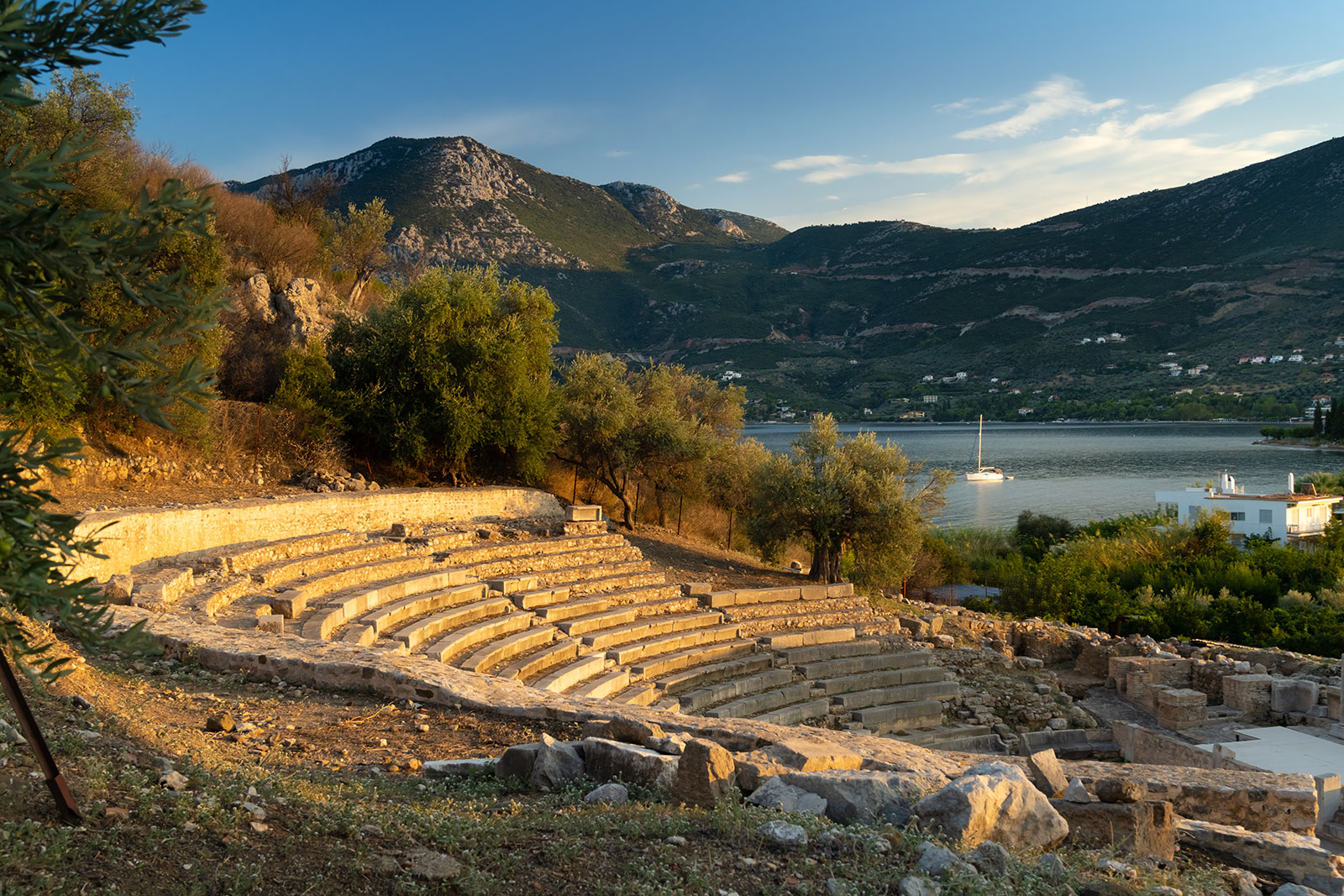
The worship of the healing god Asclepius, who in mythological tradition is depicted as the native son of Apollo and Coronis, the granddaughter of the king of Epidaurus, Malo, was established in the 6th century BCE. The worship of the god, protector of human health and personal happiness, gained fame that rapidly spread. The number of pilgrims steadily increased, and the sanctuary in Kynortio was no longer sufficient for the needs of the worship, so the development of a sanctuary began in the lowland area, about 1 km southwest of Kynortio, at the place where Asclepius was said to have been born according to the myth. The two sanctuaries, one dedicated to Apollo Maleatas and the other to Asclepius, developed parallel to each other, with the official name “Sanctuary of Apollo Maleatas and Asclepius.”
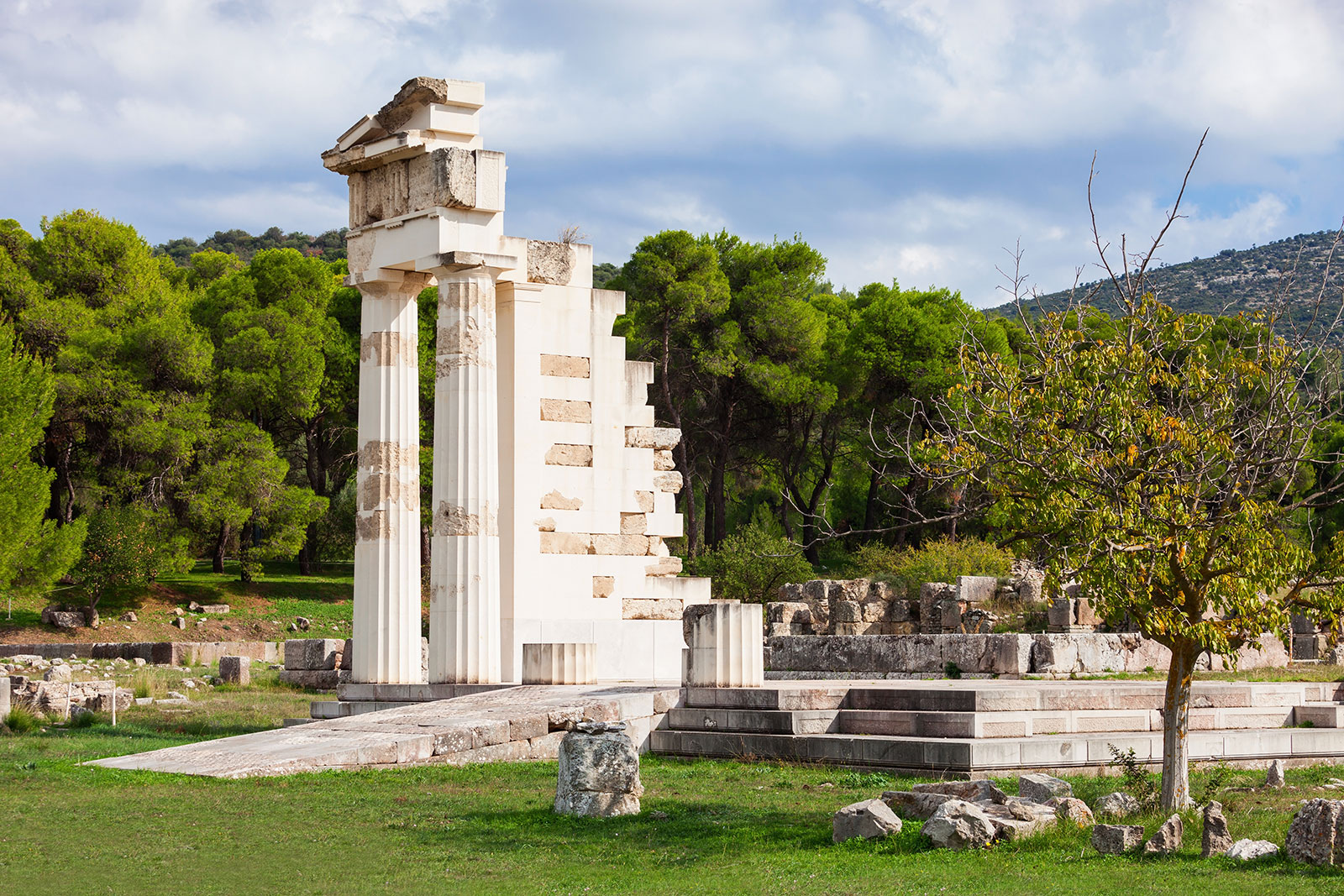
In the 4th and 3rd centuries BCE, significant reconstruction projects were undertaken at both the mountain and lowland sanctuaries, and the most important monuments were built: at the lowland sanctuary, the Temple of Asclepius, the Abaton, the Tholos, the Theater, the restaurant, the hotel, and the stadium, while at the mountain sanctuary, the classical temple and altar of Apollo, the large stoa, the residence of the priests, and the temple of the Muses were constructed.
The Asclepius Sanctuary experienced a new bloom during the imperial times, especially in the second half of the 2nd century CE, when the Roman senator Antoninus funded the construction of new buildings and the renewal of old ones. During this period, the traveler Pausanias visited the sanctuary and described it in detail, admiring its monuments.
Excavations at the site began in 1881 by P. Kavadias, who dedicated his life to his beloved Epidaurus. The Asclepius Sanctuary of Epidaurus was included in the UNESCO World Heritage list in 1988.
Asclepius Sanctuary of Epidaurus – Holistic Healthcare
From ancient written records and archaeological finds, we now know that the Asclepius sanctuaries provided what we today call “holistic healthcare.” The therapeutic treatment applied by the initiates-physicians was extremely refined. Centuries of observing nature, humans, and the interdependence of mental harmony with physical health created a complex medical framework that was highly effective.
In the imposing Asclepius Sanctuary, the existence of an even older healing center has been certified, one that drew its power from a female fertility deity. Later, Apollo, another healing god, was worshiped at the same site until the divine care of medicine was taken over by Asclepius, who is believed to have been born in Epidaurus. Over time, the accumulated experience of the priests, combined with the irresistible nature of the land of Argolis, led to great medical achievements. As a result, many people flocked there, not only from Greek lands but also from distant places, in search of the coveted recovery of their health.
Culture: Harmonizing the Spirit, Soul, and Body
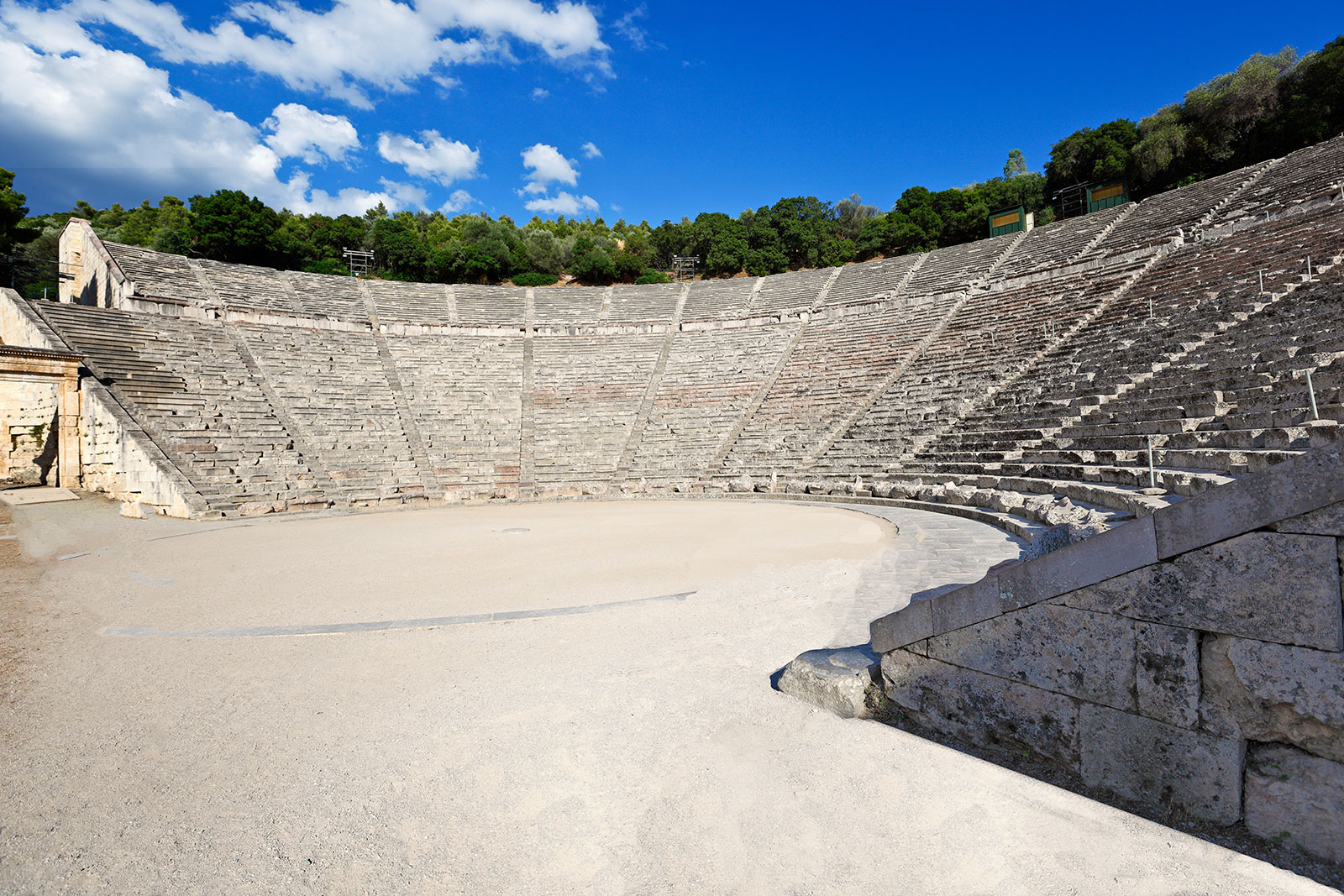
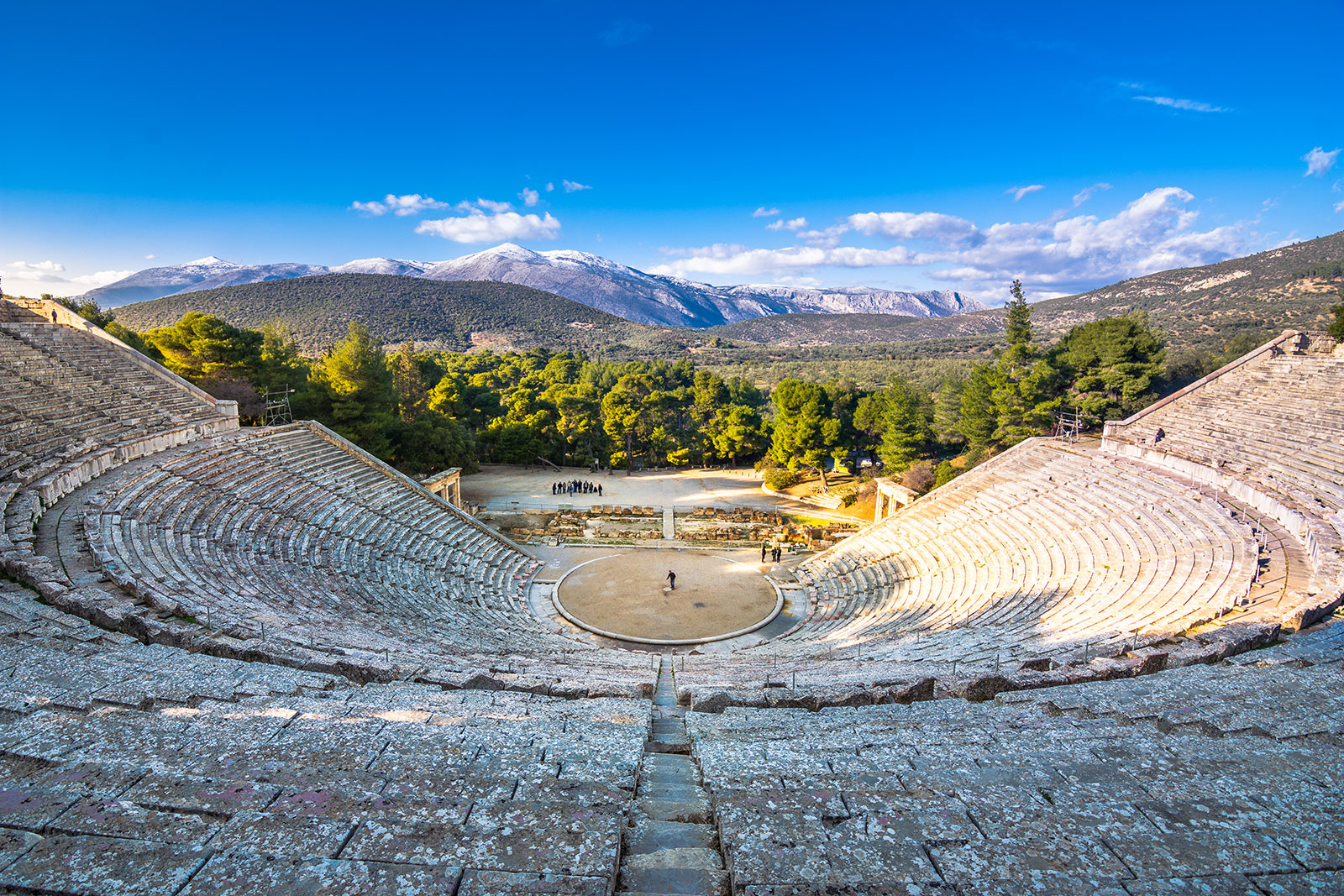
Every activity that took place in Epidaurus aimed to harmonize the spirit, soul, and body of the individual. The Epidaurus Theater, this radiant shell that surprises with its acoustics and architectural harmony, was a place where visitors would watch performances with the purpose of “escaping” from the small and destructive problems of daily life. Music, theater, and the reading of philosophical texts prepared the soul for the ultimate healing of the body.
The patient, after necessary purification rituals and mental relaxation, would enter the main therapeutic area, the Abaton. It was a mysterious dome with initiatory corridors and complex labyrinths of circular design. The architecture of the Asclepius Sanctuary remains remarkable to this day. The building was circular, symbolizing the safety of the maternal embrace. The layout of the sanctuary served the patient’s self-concentration and the drawing of strength from their inner world.
After this preparation, the main therapeutic method, called Enkoimesis (sleep therapy), would take place. It was a gentle method that, however, proved very effective. During sleep, the person would let themselves dream of the god, who would visit them in the sanctuary and offer them healing. The Asclepius initiates guided the dream experience with suitable suggestions to ensure the best outcome for the patient. In 1883, 70 inscriptional finds, called the “Iamata” (remedies), were discovered, confirming many successful treatments across a wide range of diseases.
Epidaurus, with its serene nature, the influence of its ancient place, and its mystical history, invites us to explore the powers of the earth and our inner selves.