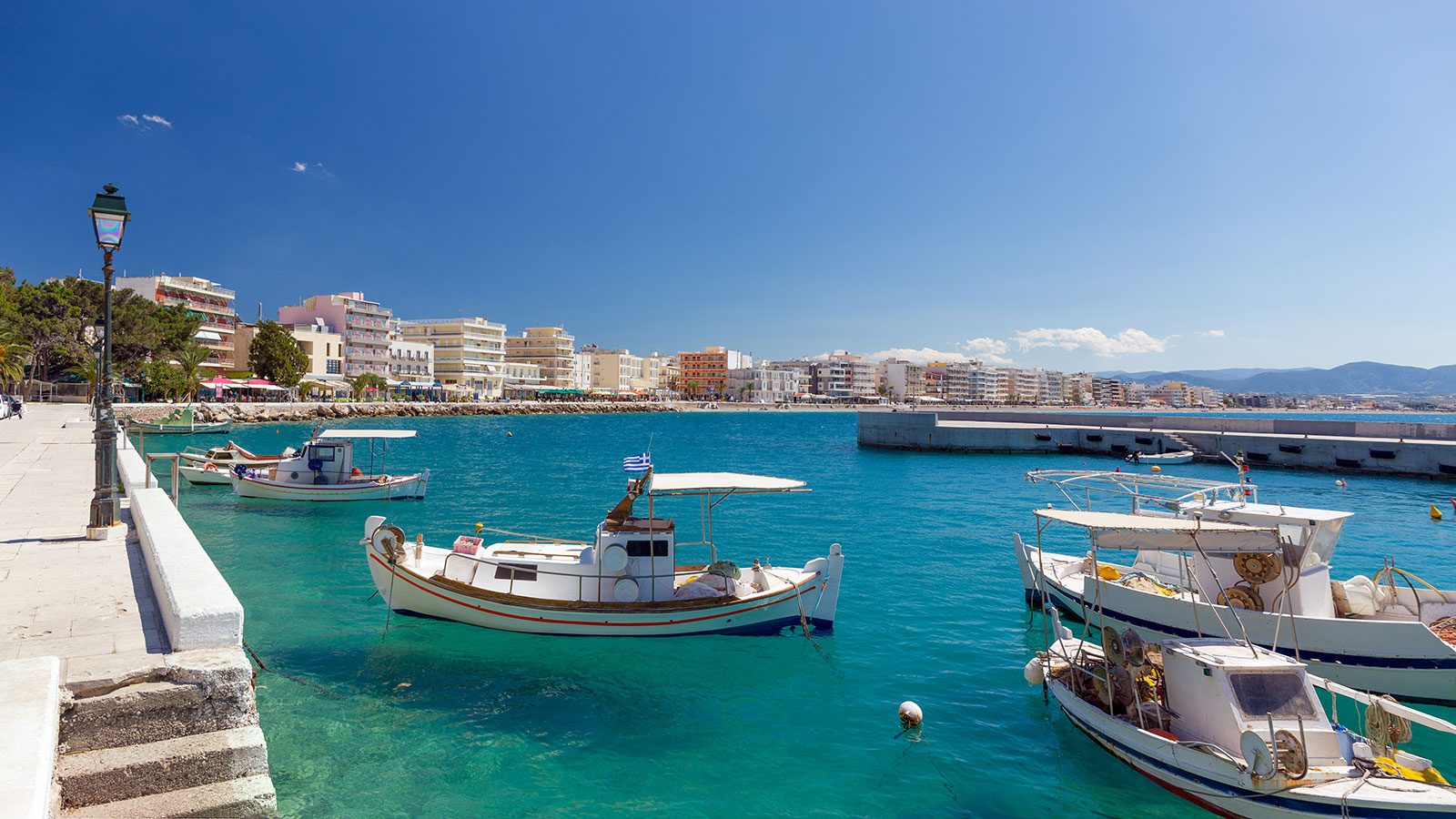
On the first level, next to the picturesque cove and the harbor, which is ideal for refreshing swims, stands the Archaic temple of Hera. This temple replaced an earlier small apse-shaped temple from the Geometric period (late 9th century BCE to early 8th century BCE). The altar was a long rectangular building, which originally had metopes and triglyphs on all four sides. To the north, there were the remains of at least seven steps that formed part of a staircase.
Archaeological Site of Heraion, Perachora
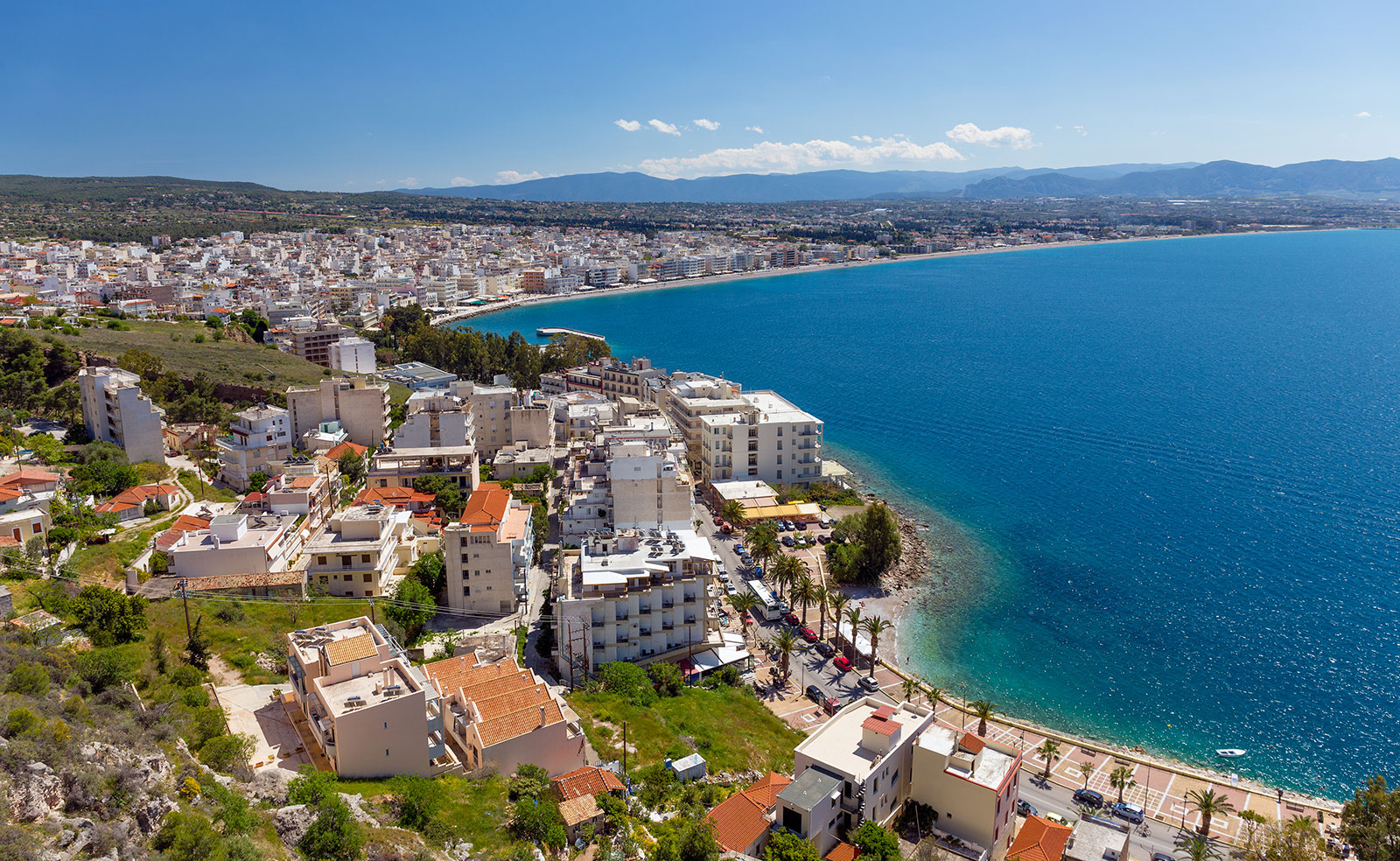
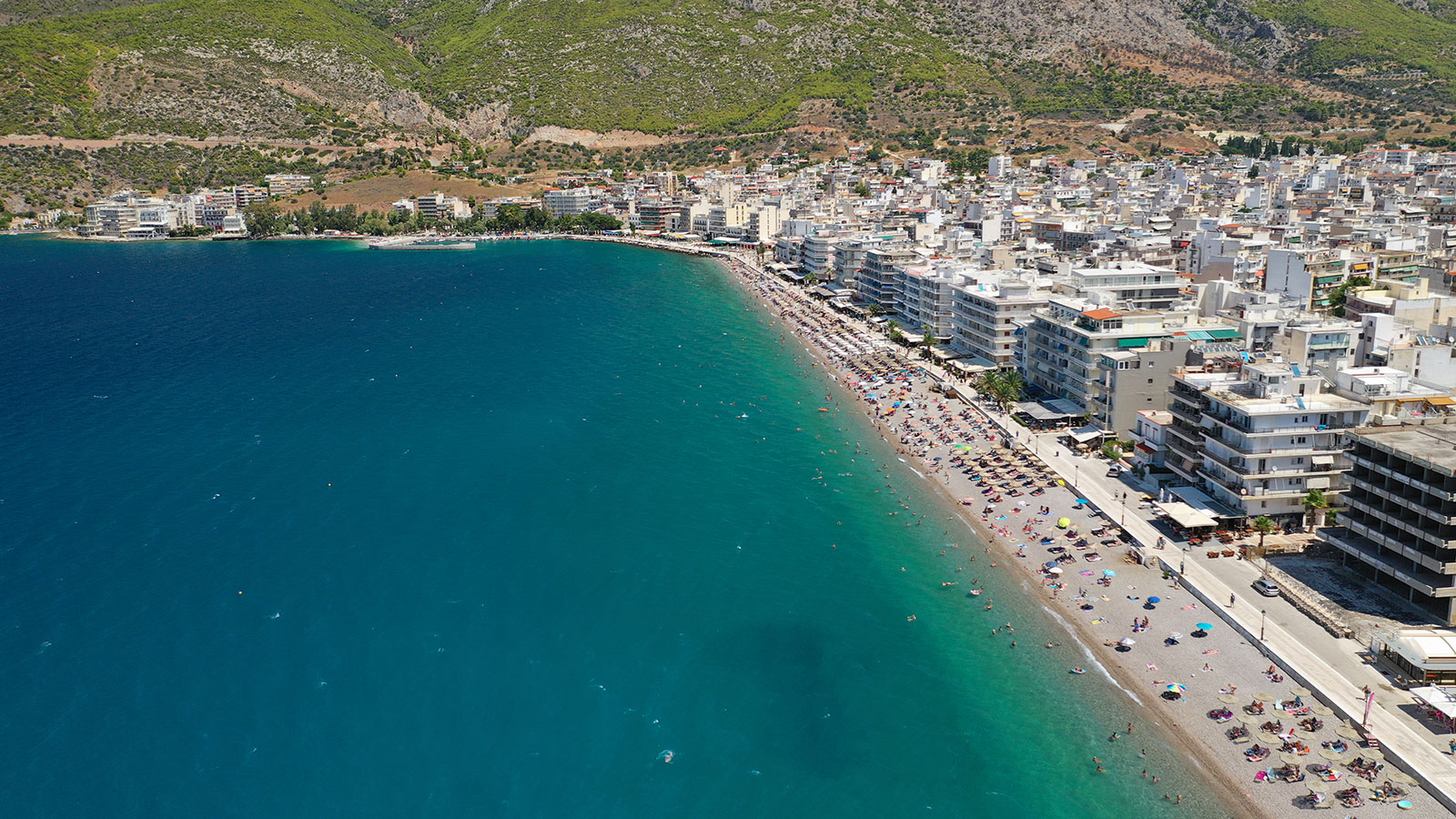
A short distance from Loutraki, famous for its therapeutic and naturally mineral-rich waters, lies the cape of Heraion of Perachora. Here, the most important remains of the early Corinthian civilization from historical times have been uncovered, centered around the sanctuary of the goddess Hera, which was located at the end of the harbor, near the rocks on which the Melagavi Lighthouse stands today.
Visit the archaeological site of Heraion and see up close, apart from the Sanctuary of Hera situated in the small harbor beneath the lighthouse, the most significant remains of early Corinthian civilization, such as a “G”-shaped colonnade, a large water reservoir, dining halls, and a second, smaller temple. During the pre-Roman years, the area formed a vital part of Corinthian land.
Corinthian art from the Geometric and Archaic periods would have been largely unknown without the finds from Perachora. The first excavations at the Heraion site were conducted from 1930 to 1933 by Humphry Payne, the director of the British School at Athens. Excavation research continued in 1938-1939 by Thomas J. Dunbabin and in 1964-1965 by Birmingham Richard Tomlinson, the director of the British School at Athens.
The Heraion of Perachora consists of two sections, and for this reason, it was believed until recently that it consisted of two separate sanctuaries, dedicated to Hera Akraia (at the land’s edge) and Hera Limenia (at the harbor). Recent excavations have led researchers to believe that there was one sanctuary only, dedicated to Hera Akraia-Limenia.