Volos
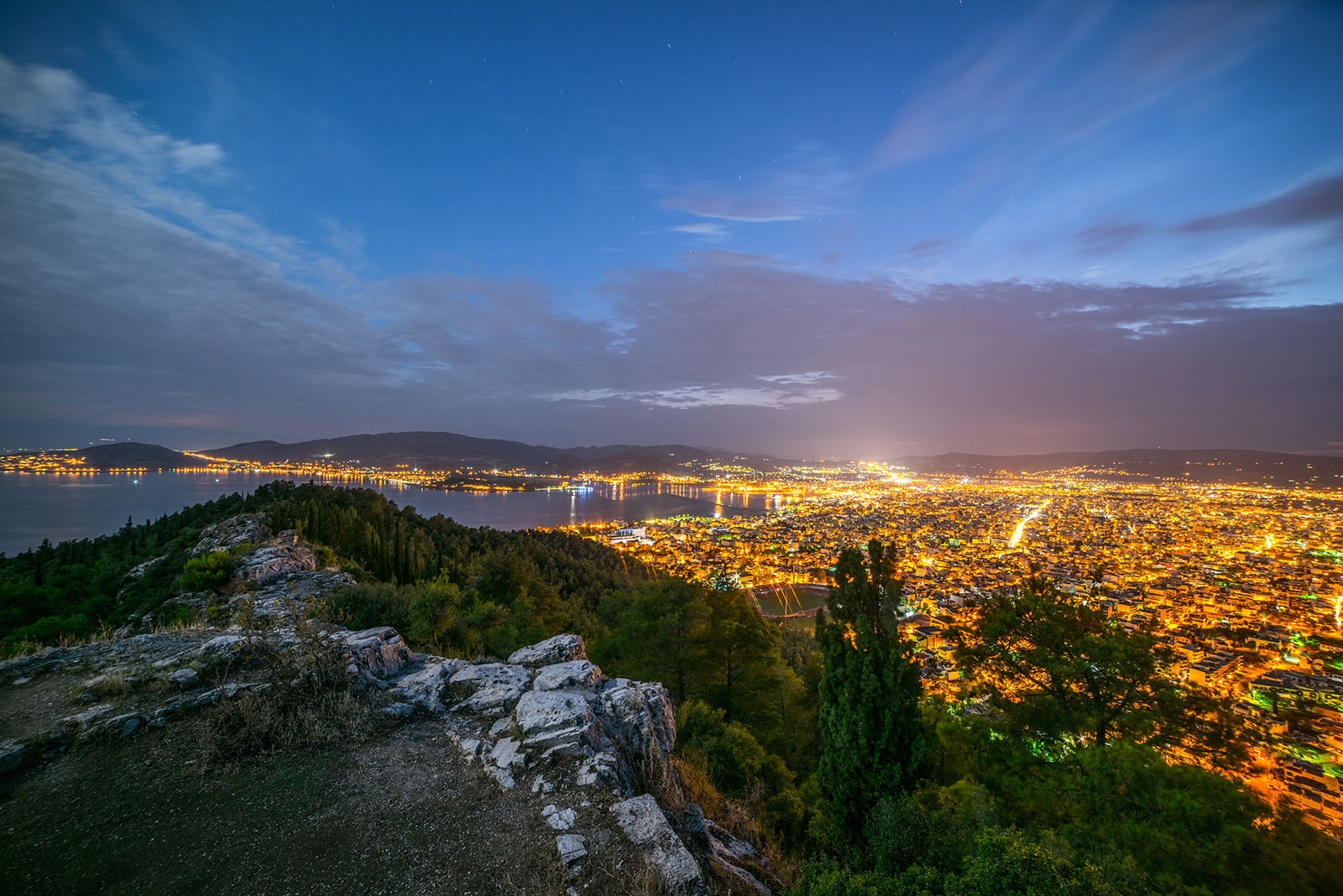
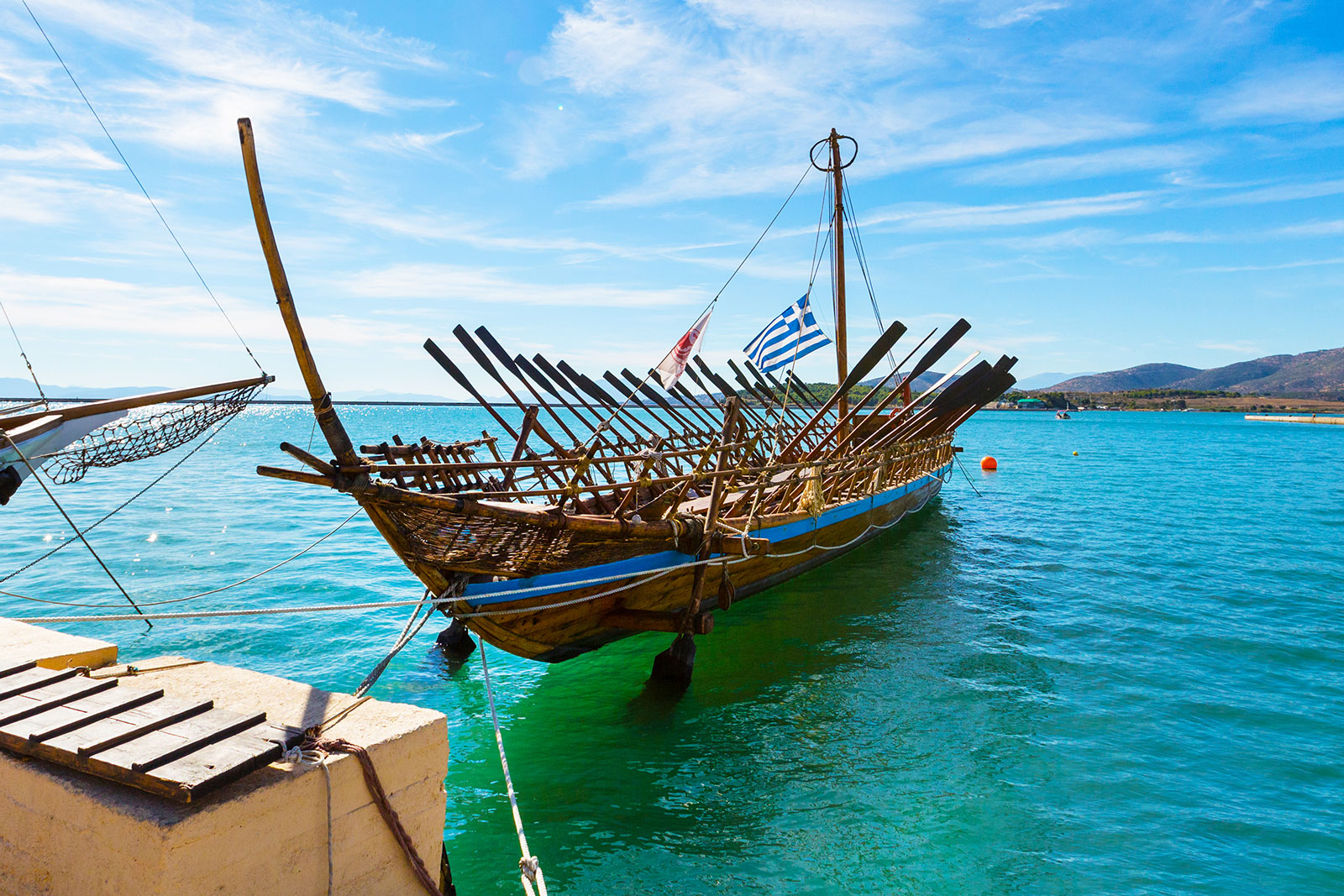
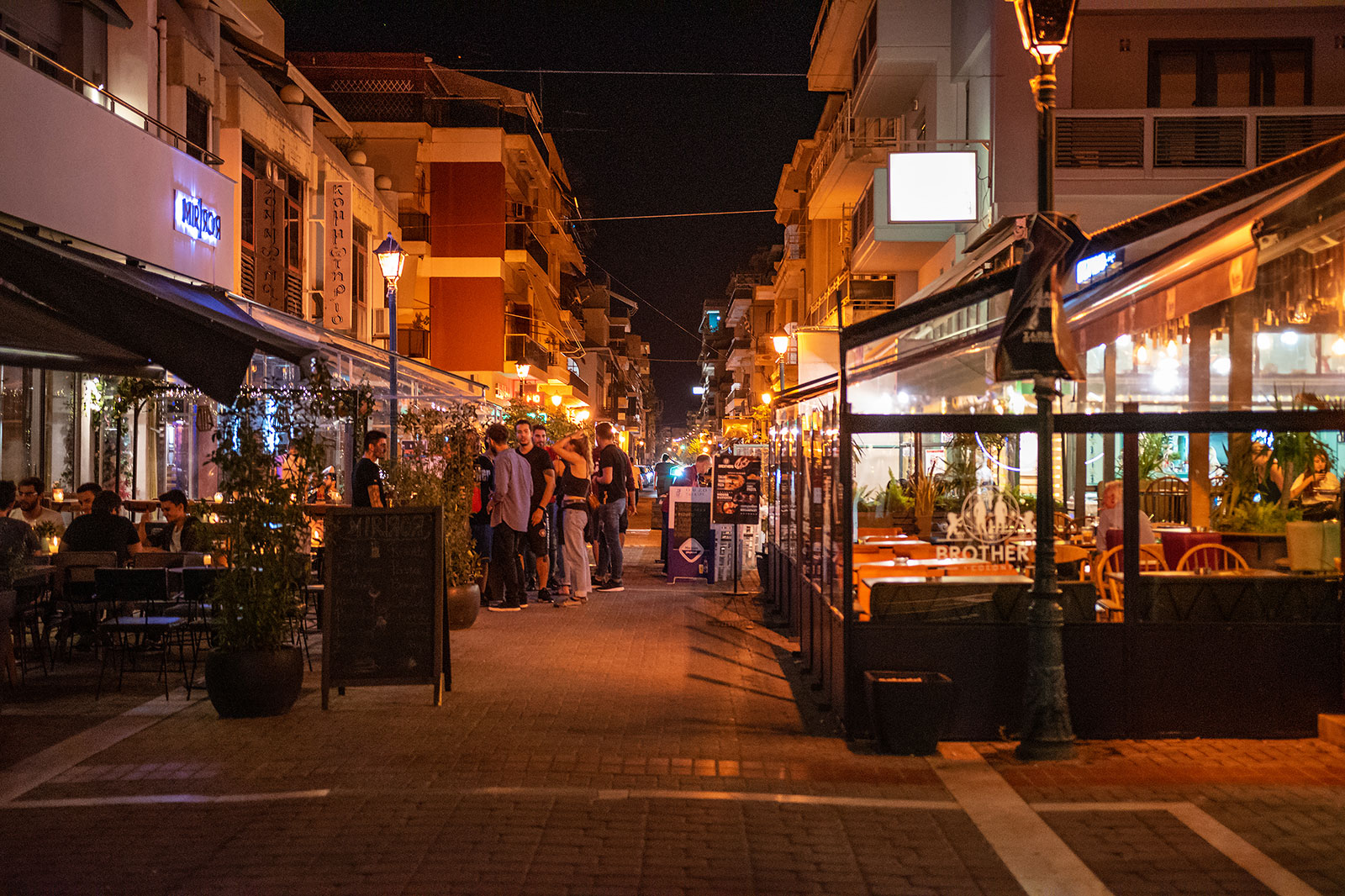
Perhaps the most beautiful and certainly the most popular capital of Thessaly, Volos has a rich history that takes you back to ancient Iolcus, the city of the Argonauts. Volos owes its charm mainly to its beautiful beach, its good urban planning, the nearby Mount Pelion, and of course, its famous tsipouradika (traditional taverns), a custom that likely started with the Asia Minor refugees of 1922 and has become a local institution.
Within the city, several monuments are preserved, and there are lovely corners for walks both in the city center and the suburbs. A stroll through the Old District is a must to imagine how beautiful Volos was before the 1955 earthquake, as well as visiting the Tsalaapata complex, the medieval castle and square, and the picturesque alleys of the refugee settlement of Nea Ionia.
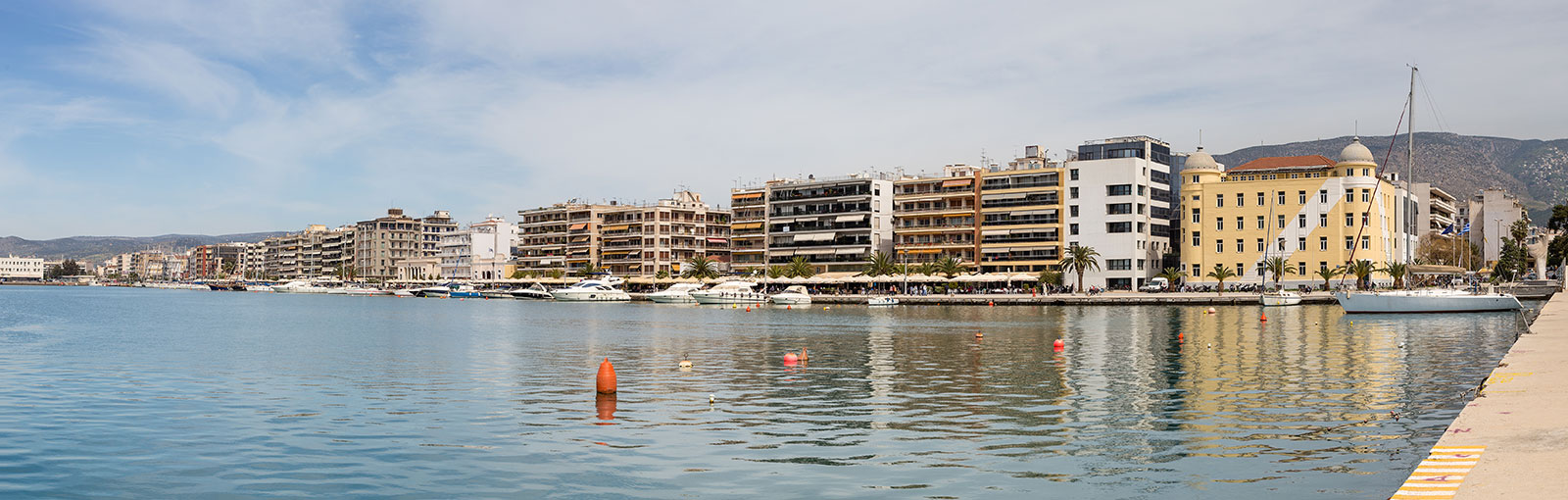
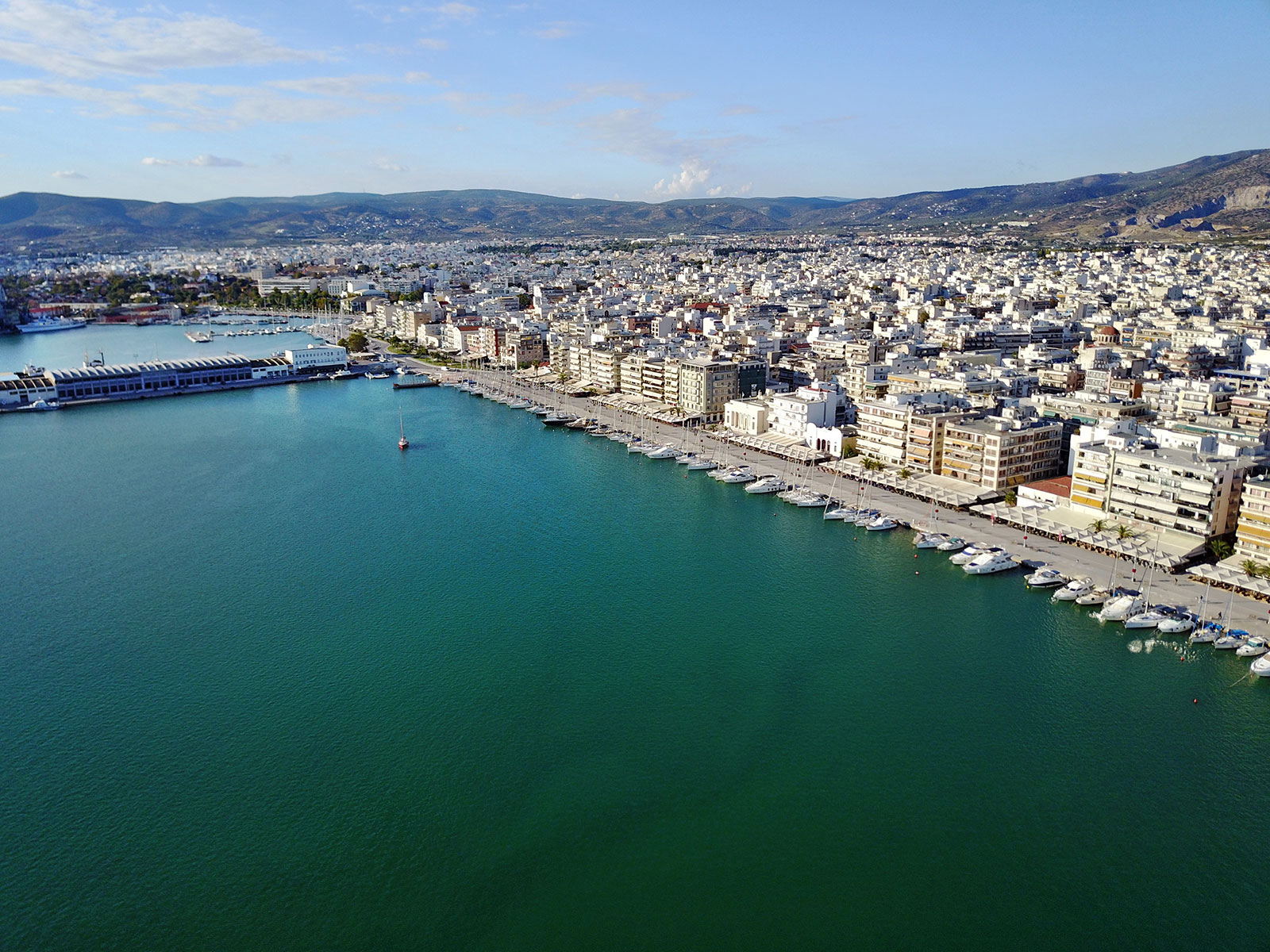
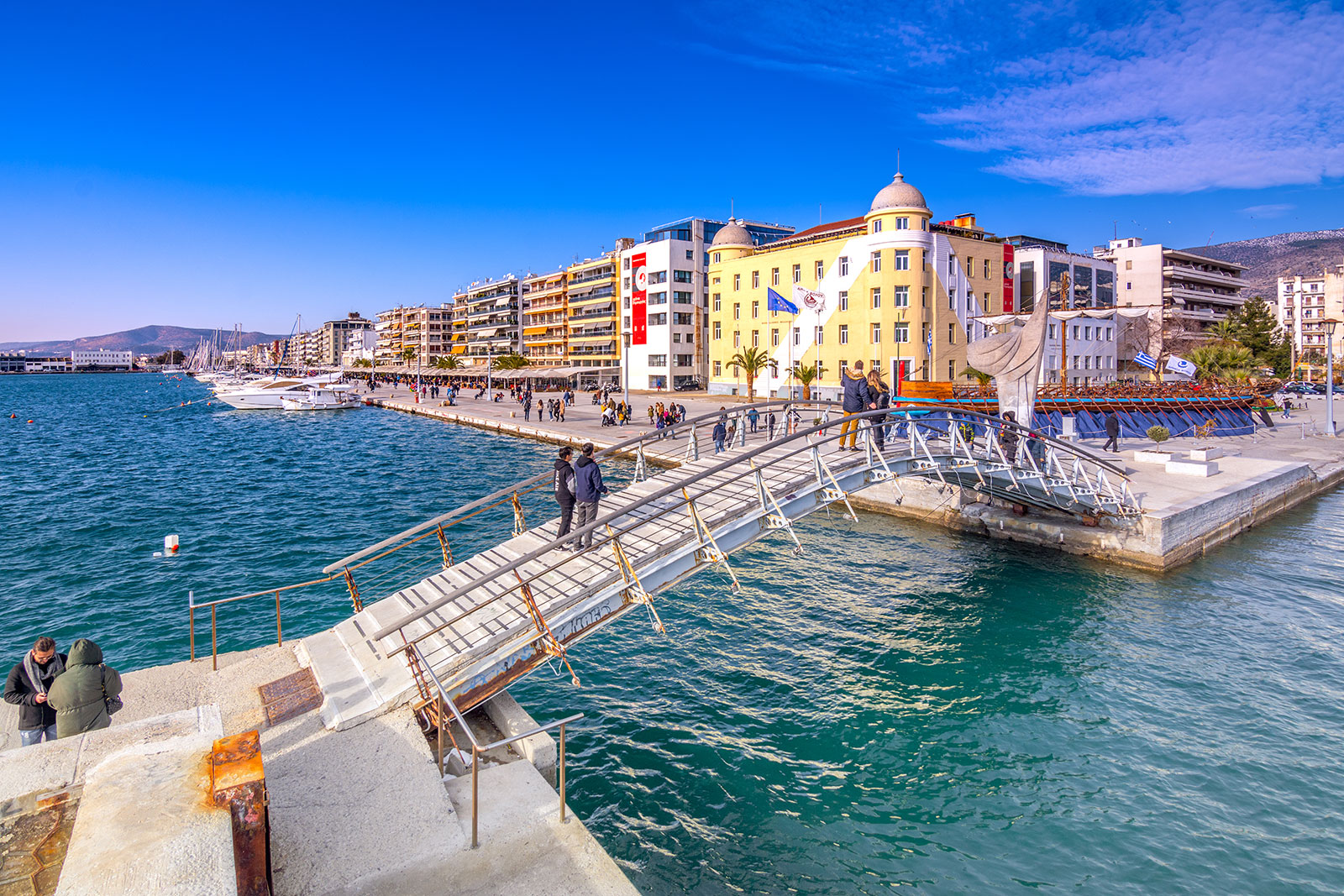
A walk along the beach starts from the west, from the Volos Municipal Theatre (with the largest stage in the Balkans, as they proudly claim). Further along, you’ll find the Volos City Hall, designed by the famous Dimitris Pikionis. A little further back from the beach front but still with a sea view, stands the neoclassical Municipal Conservatory and behind it, the modern, glass-tower shaped Giorgio de Chirico Art Center. Your gaze will be caught by the stylish Aigli Hotel, a fine example of Art Nouveau. Across from it, the horse-drawn carriage waits on the beach.
Another notable landmark is the Achilleion cinema, built in 1925 based on designs by the Volos architect K. Argyris, which still operates today. The silver domes of the Papastratos tobacco warehouses once dominated the city’s postcards. Today, the University of Thessaly occupies the building.
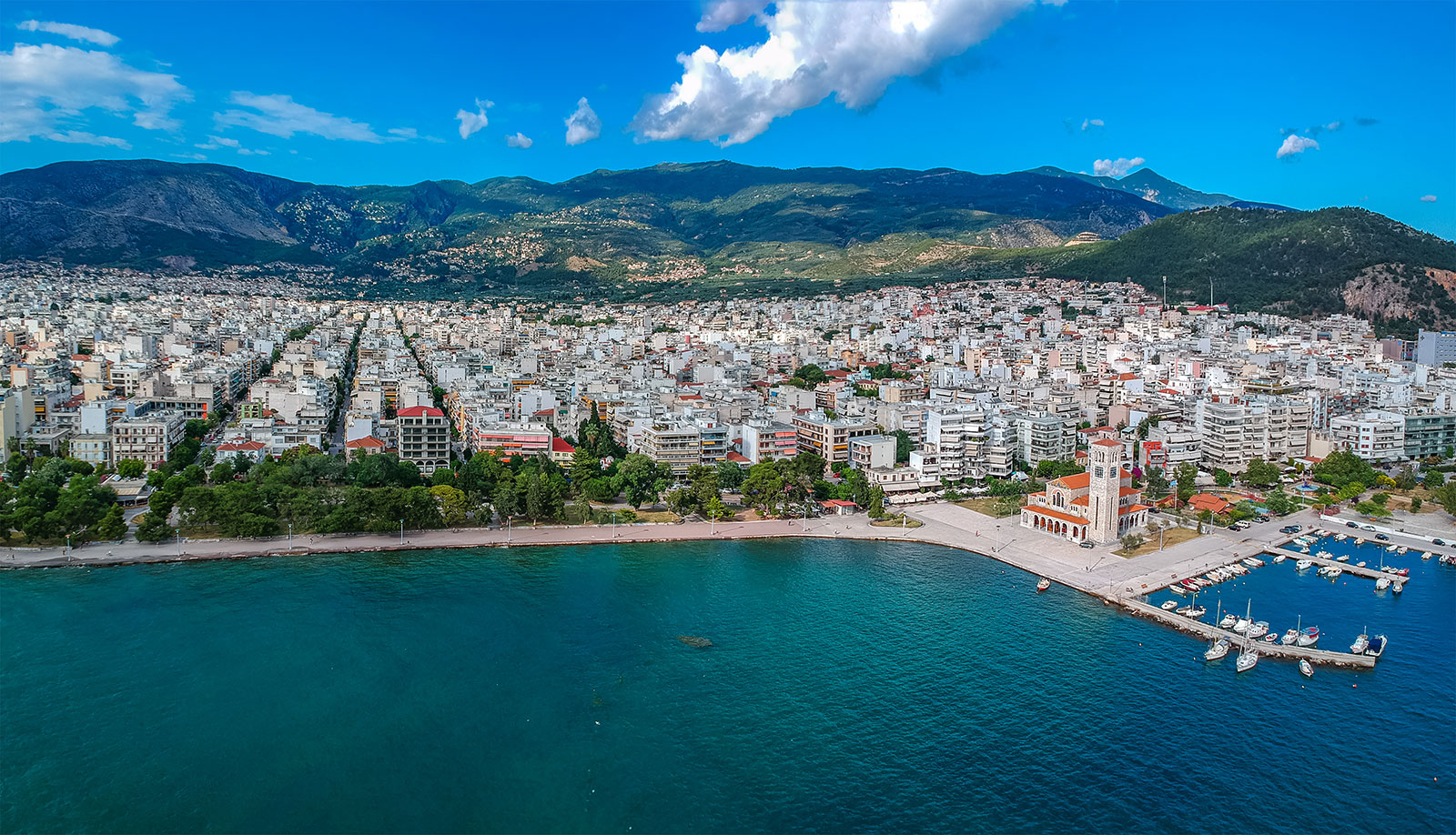
At the eastern edge of the beach stands the Church of Saint Nicholas with its park. Built in 1936 based on the designs of architect Aristotelis Zahos, it became a landmark of the modern city. The many bicycles used by the locals for transportation add a special touch to the atmosphere.