Trikala
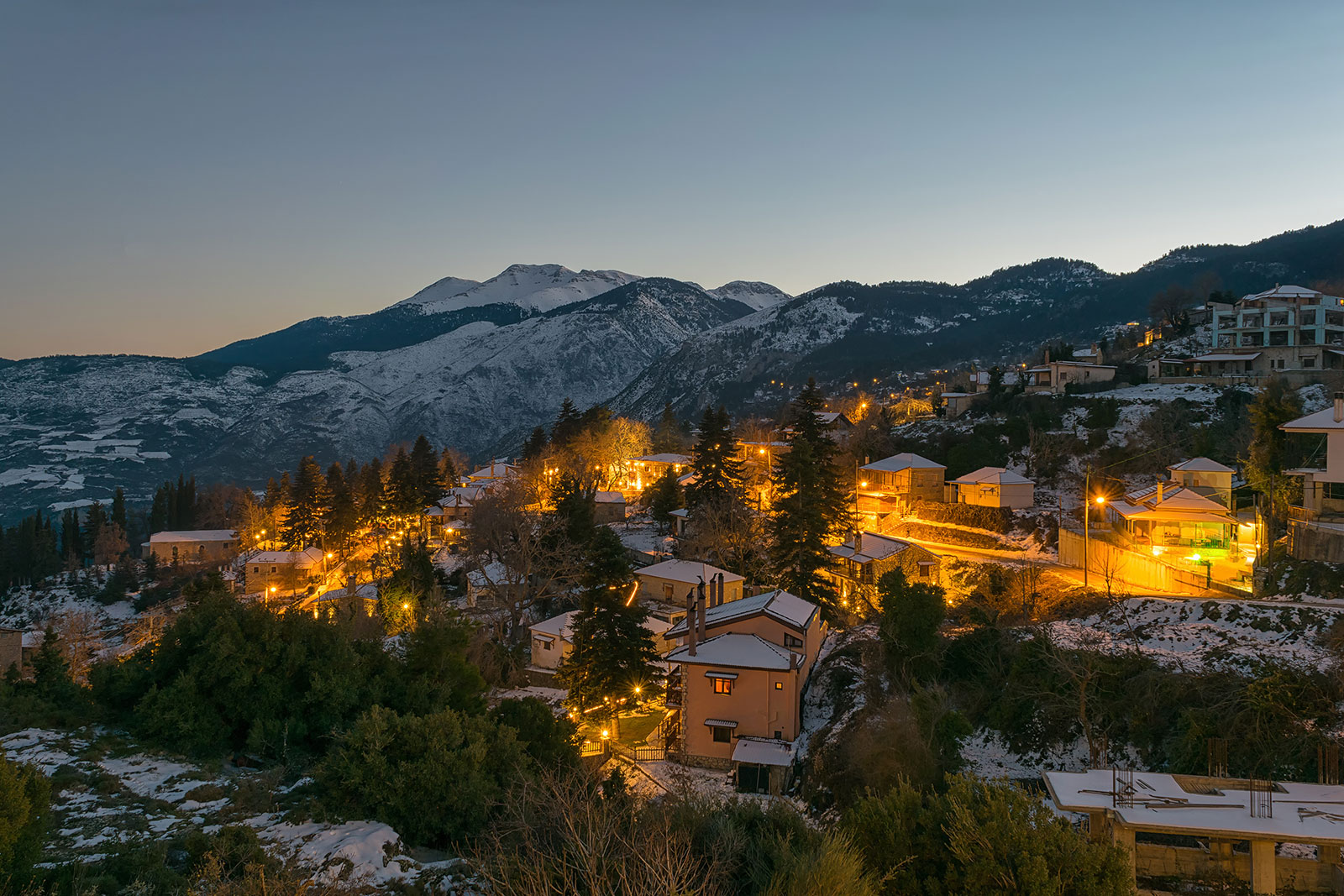
Trikala, the capital of the homonymous province, is a beautiful city built on the site of ancient Trikka (according to mythology, the nymph Trikka was the daughter of Peneus) and the birthplace of the famous ancient doctor, Asclepius.
The city owes much of its beauty to the picturesque river Lithaios as well as to its historical monuments, excellent urban planning, spacious squares, parks, and pedestrian streets.
We begin our tour from the old aristocratic neighborhood of Trikala, the preserved traditional area of Varousi. The Varousi houses, made of reeds and bricks in the gaps, painted in various colors, stand as undeniable witnesses to the economic prosperity of the city during the 18th and 19th centuries. The narrow cobbled streets (the “Sakaflia’s alleys,” known from the song by our great popular composer Vasilis Tsitsanis, who hailed from the city) add charm to the neighborhood. Here, you will find most of the oldest churches in Trikala.
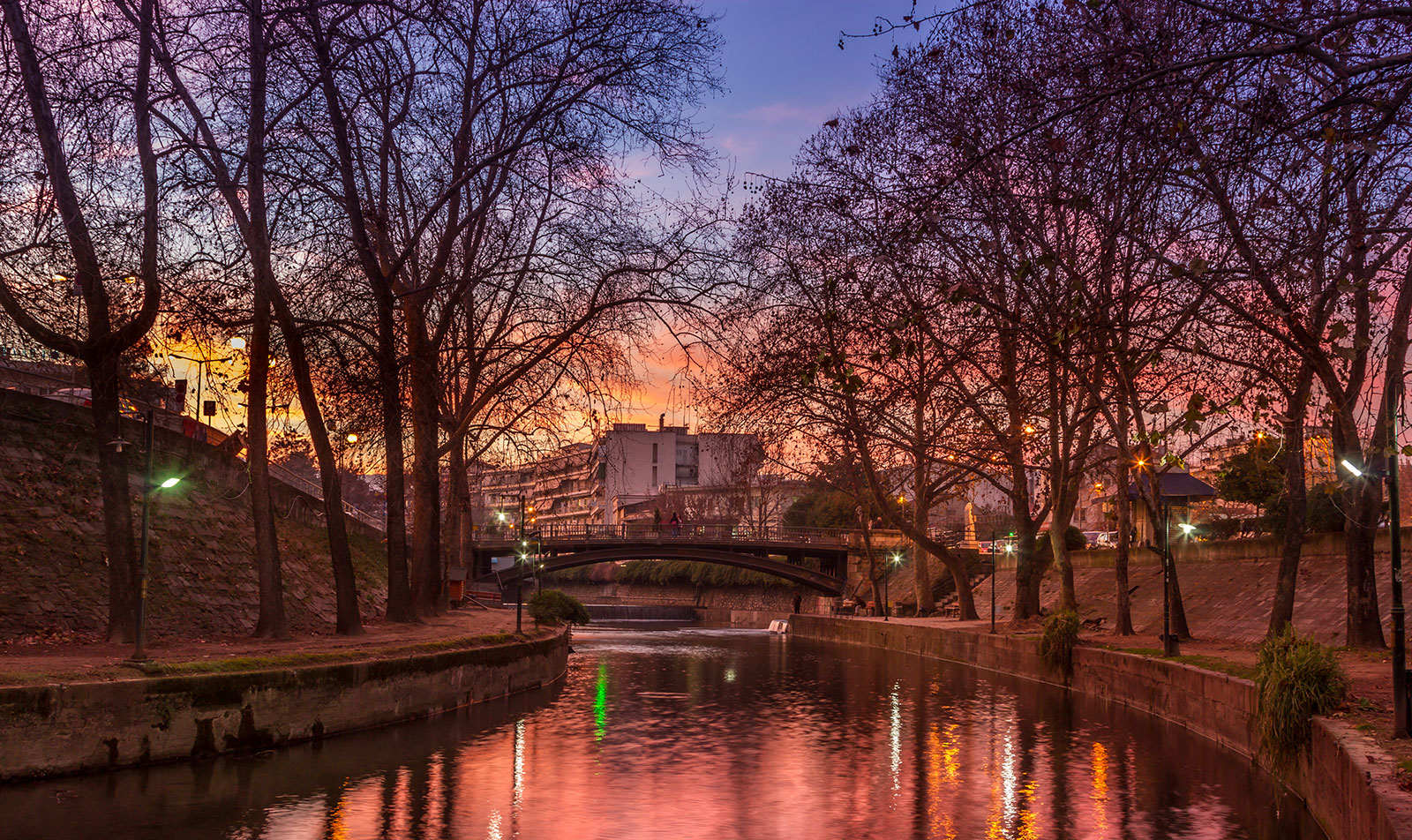
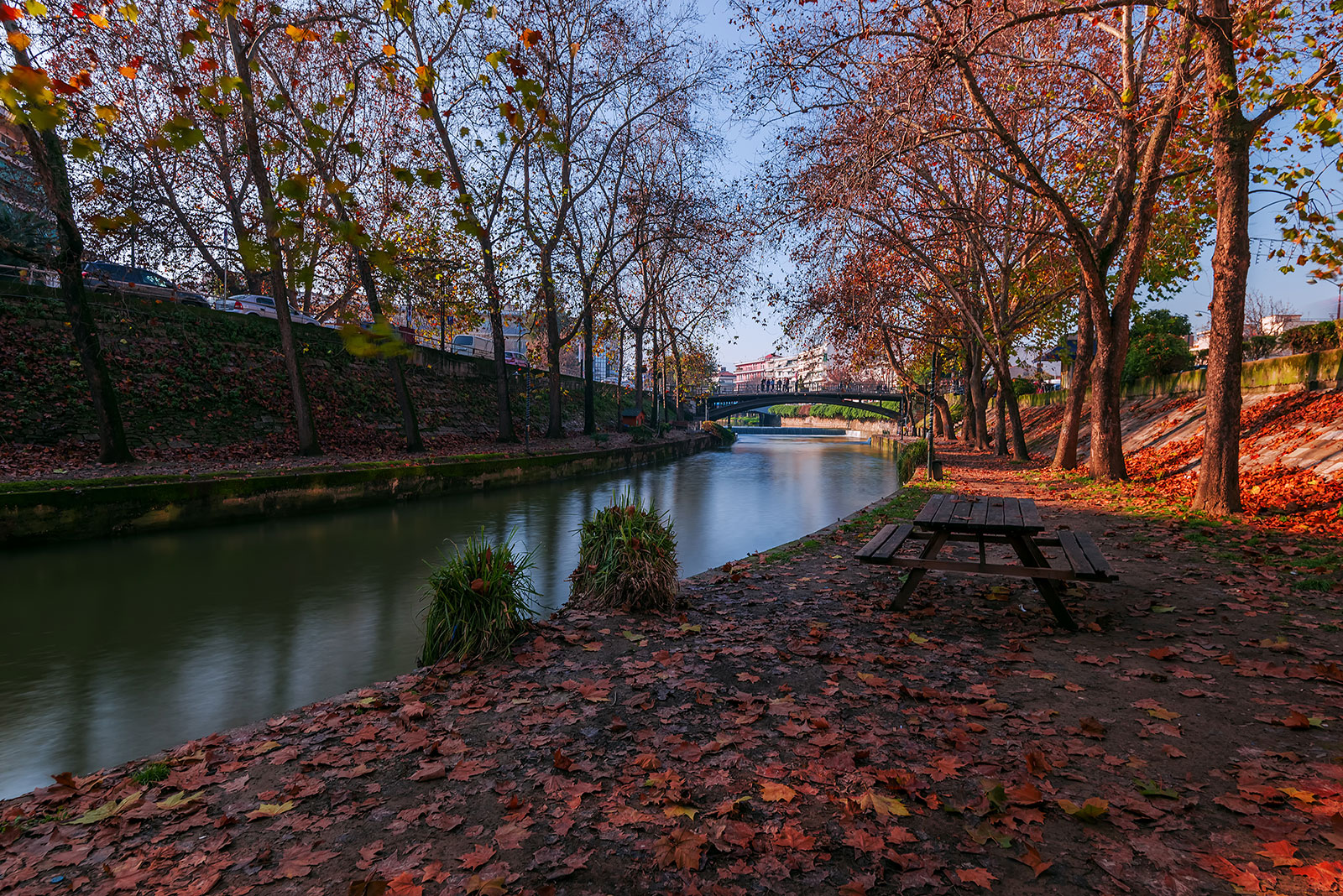
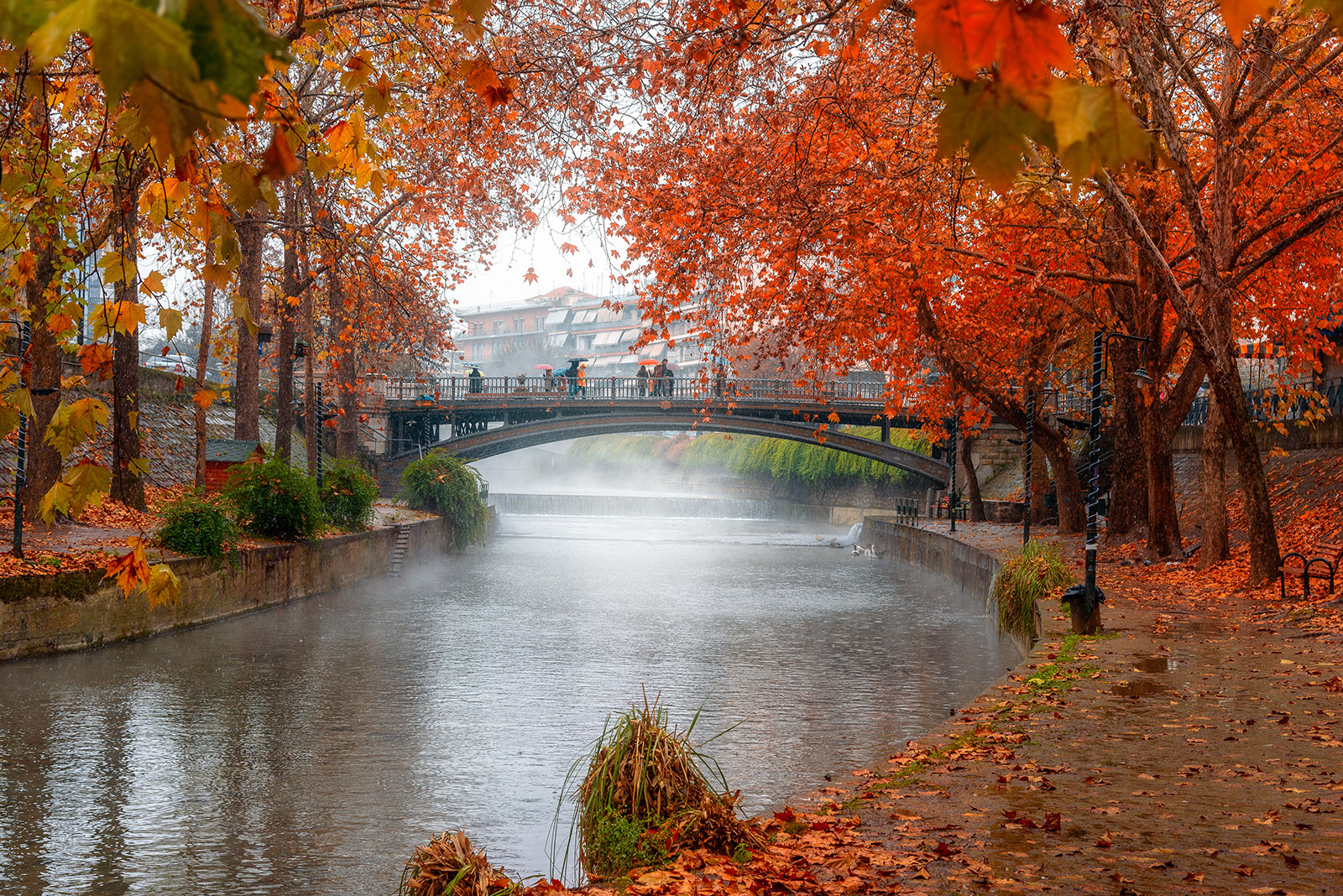
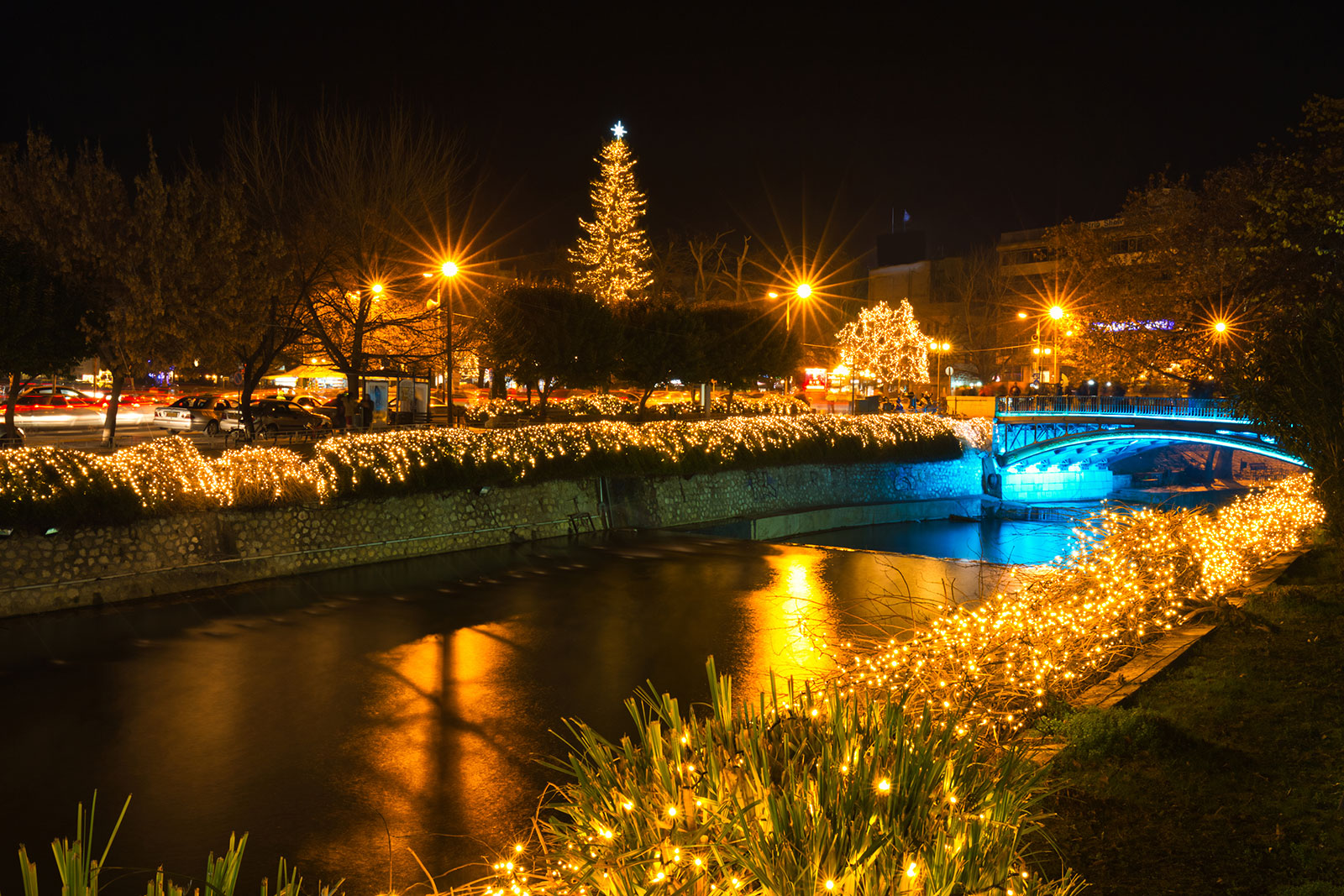
Take a romantic walk, either on foot or by bicycle, along the banks of the Lithaios (the River of Forgetfulness, according to mythology), which is a tributary of the Peneus. Ten bridges connect the two banks. The central bridge is made of metal and was constructed by the French in 1886.
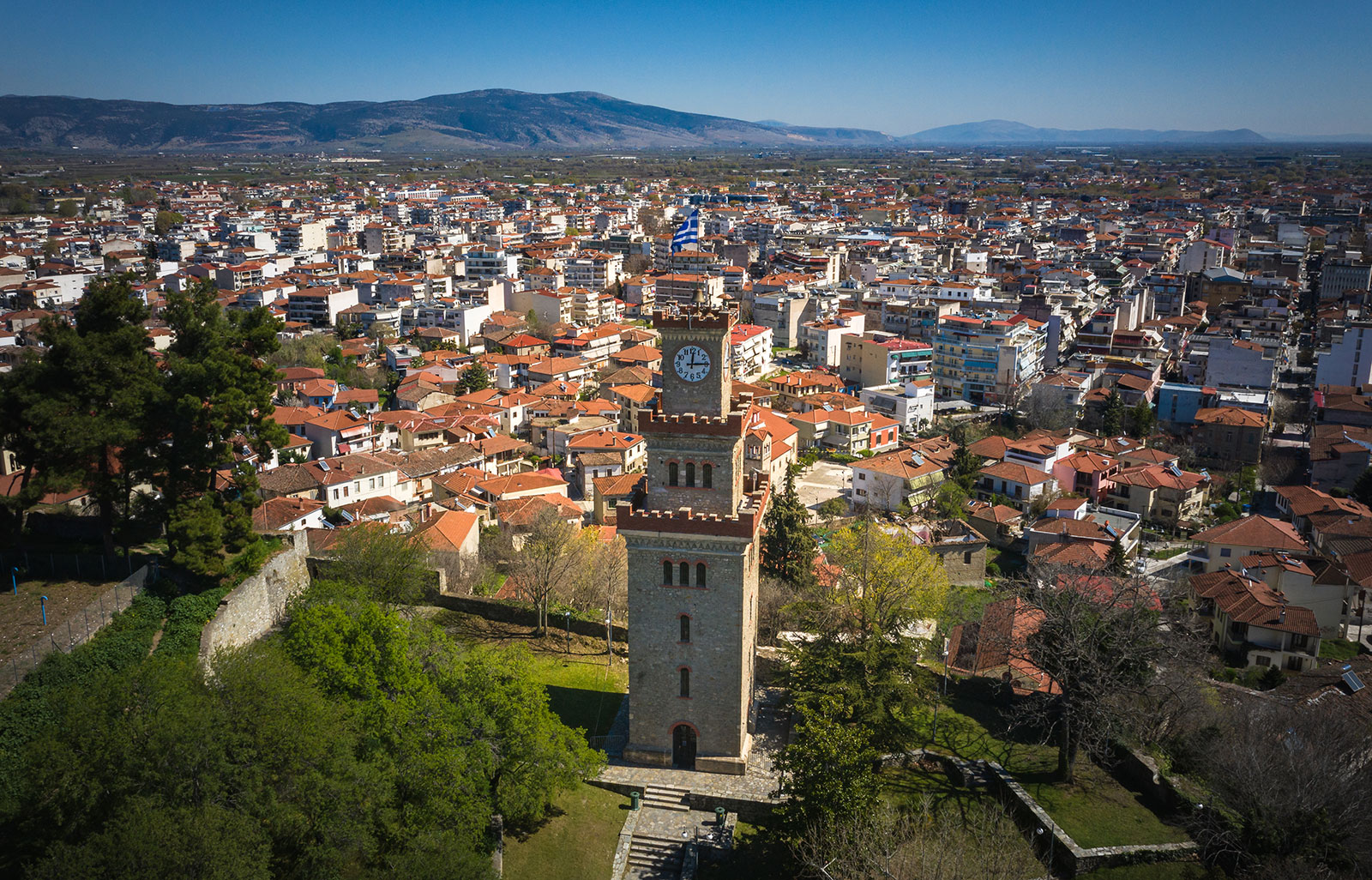
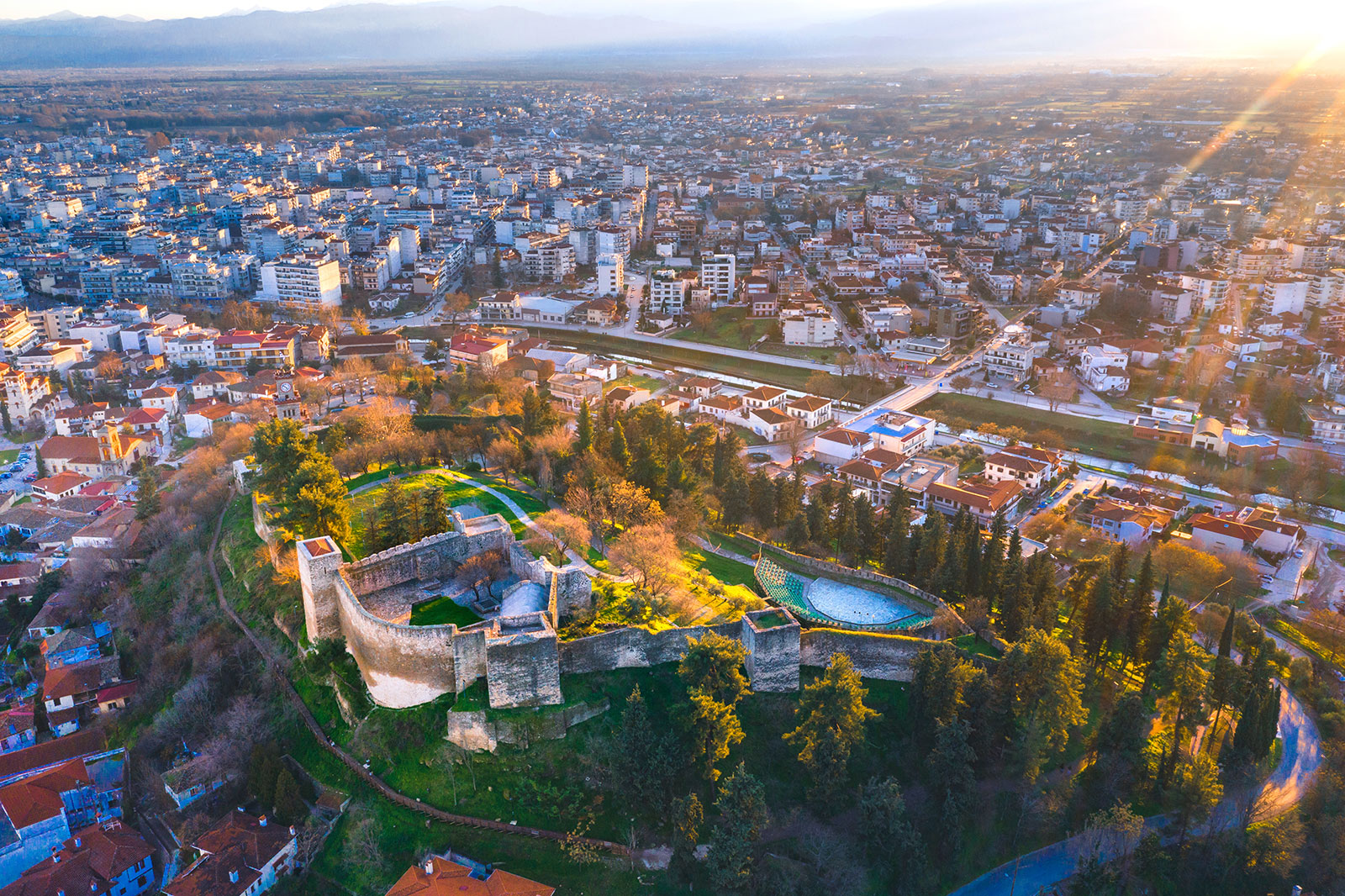
To the north of the city, on a hill, stands the imposing fortress of Justinian, where today there is a recreational area. On its eastern side, there is the Clock Tower (the symbol of the city), which was originally built in the 17th century and has undergone successive destructions and reconstructions.